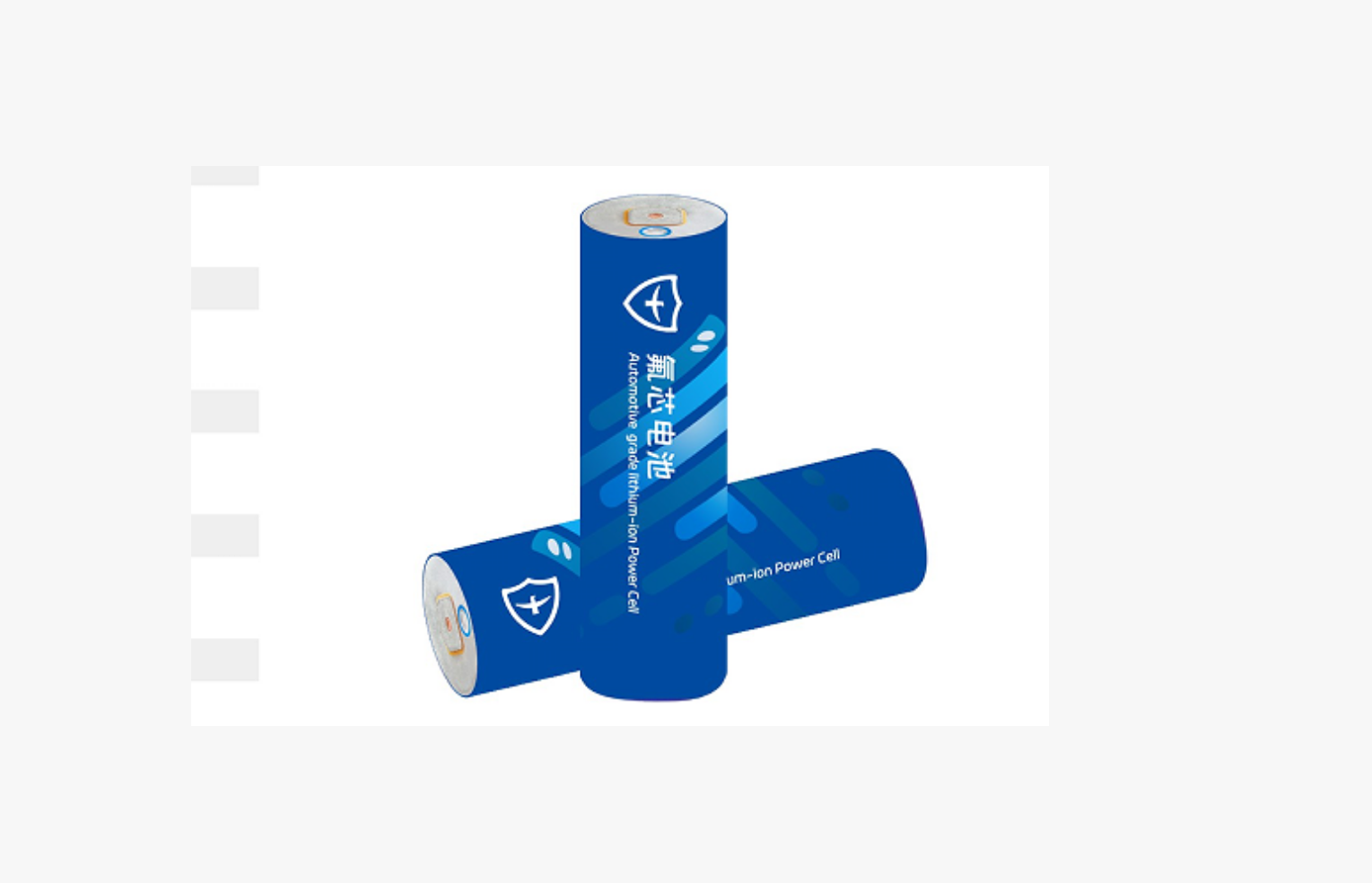
“Winter range halved, fast charging takes an hour”—once the fatal weaknesses of lithium iron phosphate batteries, these limitations have been completely rewritten by 2025 technological breakthroughs. With products like CATL’s Shenxing battery and Zeekr’s Gold Brick battery now mass-produced for vehicles, LFP batteries not only dominate the power battery market with an 82% share but also outperform early-generation ternary lithium batteries in performance. Three major technological upgrades have been pivotal to this breakthrough:
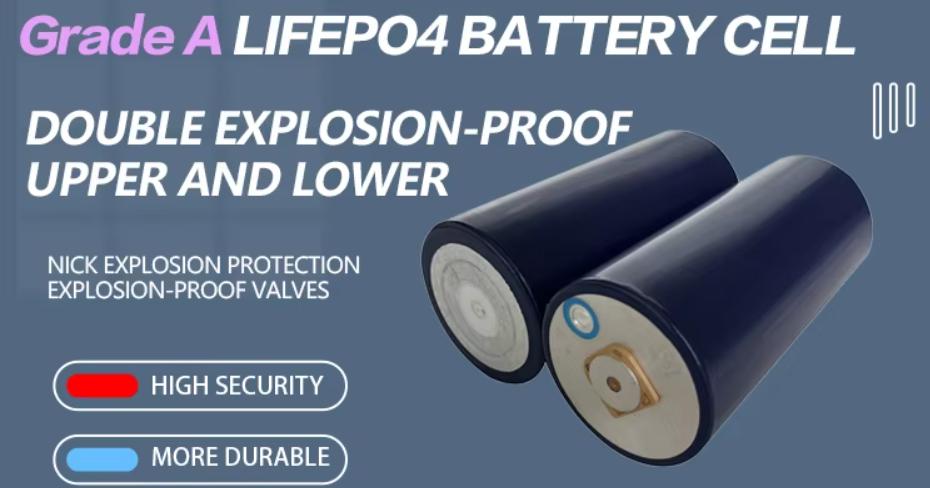
High-density packing enables extended range. By optimizing cathode material particle grading and sintering processes, powder packing density has surged from 2.4g/cm³ to 2.8g/cm³, pushing system energy density beyond 205Wh/kg—matching the performance of mainstream ternary lithium batteries in 2023. The 2025 XPeng G6 with this technology achieves a CLTC range of 700km, representing a 28% increase over the 2023 model.
Low-temperature performance now matches ternary lithium. The combination of new electrolyte additives and an AI thermal management system boosts LiFePO₄ capacity retention to 80% at -30°C, a 30 percentage point improvement over previous generations. Real-world testing in northern regions shows that the BYD Han EV, equipped with all-domain intelligent thermal control, maintains 75% of its rated range while running the heater at -15°C, eliminating the awkward dilemma of “daring not to use the AC in winter.”
Ultra-fast charging enters the “15-minute era.” The widespread adoption of 4C ultra-fast charging technology enables LFP batteries to reach 80% charge in just 15 minutes, matching the refueling speed of gasoline vehicles. CATL’s Shenxing battery achieves this by utilizing silicon-carbon anodes and gradient porous structures to boost charging currents above 200A. Testing with a logistics fleet revealed that electric light trucks can complete afternoon deliveries after a quick charge during lunch breaks, boosting daily operational efficiency by 40%.
Behind these technological advancements lies the continuous expansion of cost advantages. By 2025, the cost of LiFePO₄ battery cells will drop to 0.32 yuan/Wh, 30% lower than ternary lithium batteries. This enables models like the Volkswagen ID.3 to switch to LiFePO₄ while reducing prices by 20,000 yuan and still maintain profitability, further accelerating the adoption of electric vehicles. For consumers, prioritizing three key indicators—pack density ≥2.6 g/cm³, 4C fast charging, and intelligent thermal management—ensures access to the benefits of technological advancements when selecting vehicles.