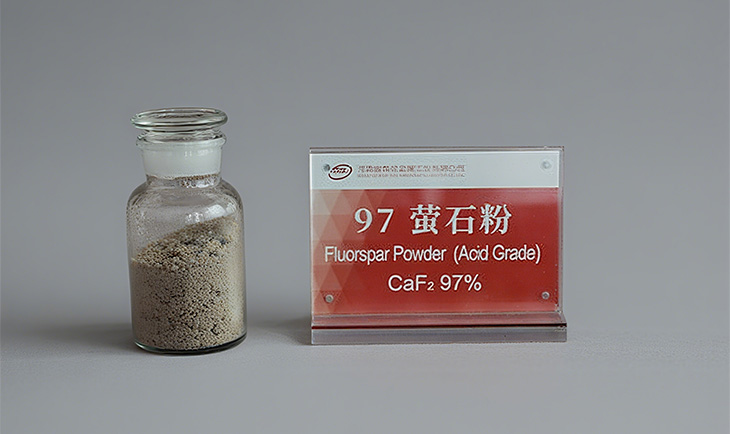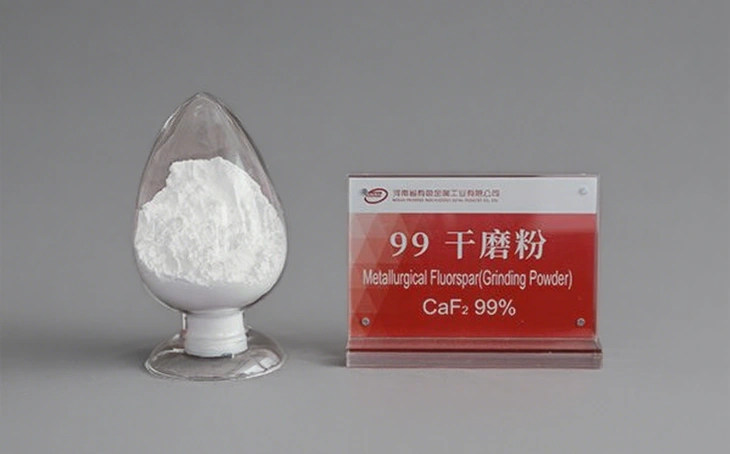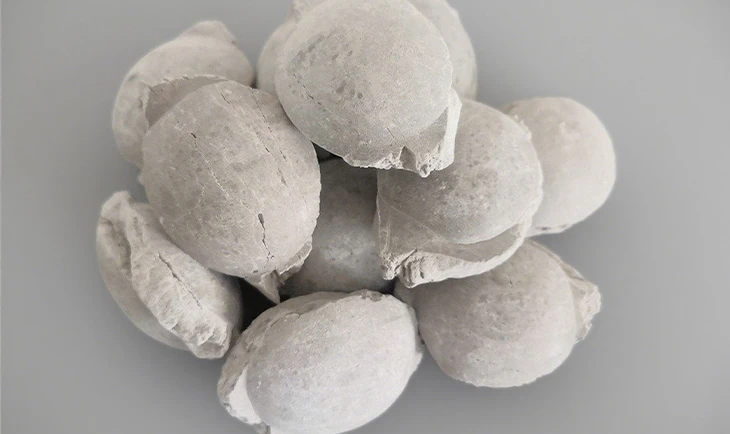
Metallurgical grade fluorspar — a fine ground calcium fluoride (CaF₂) mineral — plays an understated but indispensable role across modern metallurgical and material processing industries. For engineers, procurement managers, and product designers alike, understanding why and how this mineral impacts key process outcomes is more than a sourcing decision — it’s a performance and cost optimization strategy.
在这份深入的技术简报中,我们将解读物理化学基础知识、它所解决的工业挑战以及材料选择的最佳实践,帮助您做出明智的采购和应用决策。
What Is Metallurgical Grade Fluorspar (CaF₂) and Why It Matters
冶金级萤石主要成分为氟化钙,其CaF₂含量通常在75%至98%以上,具体含量取决于加工工艺和规格。化学式CaF₂和CAS号7789-75-5表明,它是一种稳定的高熔点钙盐,广泛应用于各种高温和化学环境的工业生产过程中。


基本物理和化学性质
| Property | Typical Value |
|---|---|
| Chemical Formula | CaF₂ |
| CAS Number | 7789-75-5 |
| Density | ~3.18 g/cm³ |
| Melting Point | ~1400 °C+ |
| Solubility | Insoluble in water |
| Hardness | ~4 Mohs |
These properties make CaF₂ highly thermally stable, chemically inert, and suitable for high-temperature metallurgical environments where reactions must be tightly controlled.
Solving Core Metallurgical Challenges with Fluorspar
1. Serving as a Powerful Flux in Steel & Ferroalloy Production
In ferrous metallurgy, fluorspar’s primary industrial function is to:
- Reduce slag melting temperature, improving fluidity
- Promote impurity removal, especially sulfur and phosphorus
- Enhance reaction kinetics in high-temperature slags
These effects directly translate into:
✔ Lower energy consumption
✔ Cleaner melt chemistry
✔ Improved production throughput
By reducing the effective melting point of slag, fluorspar helps optimize furnace fuel consumption and increase yield consistency — critical in high-volume steelmaking and ferroalloys.
2. Enhancing Weld Quality and Casting Outcomes
Metallurgical grade fluorspar is widely used in:
🔧 Welding fluxes
🏭 Casting molds
📊 Industrial furnaces
Here, it ensures uniform thermal behavior, improves slag viscosity control, and aids in minimizing weld defects — especially in heavy plate and cast components where localized overheating risks mechanical failure.
3. Improving Glass, Ceramics & Optical Material Performance
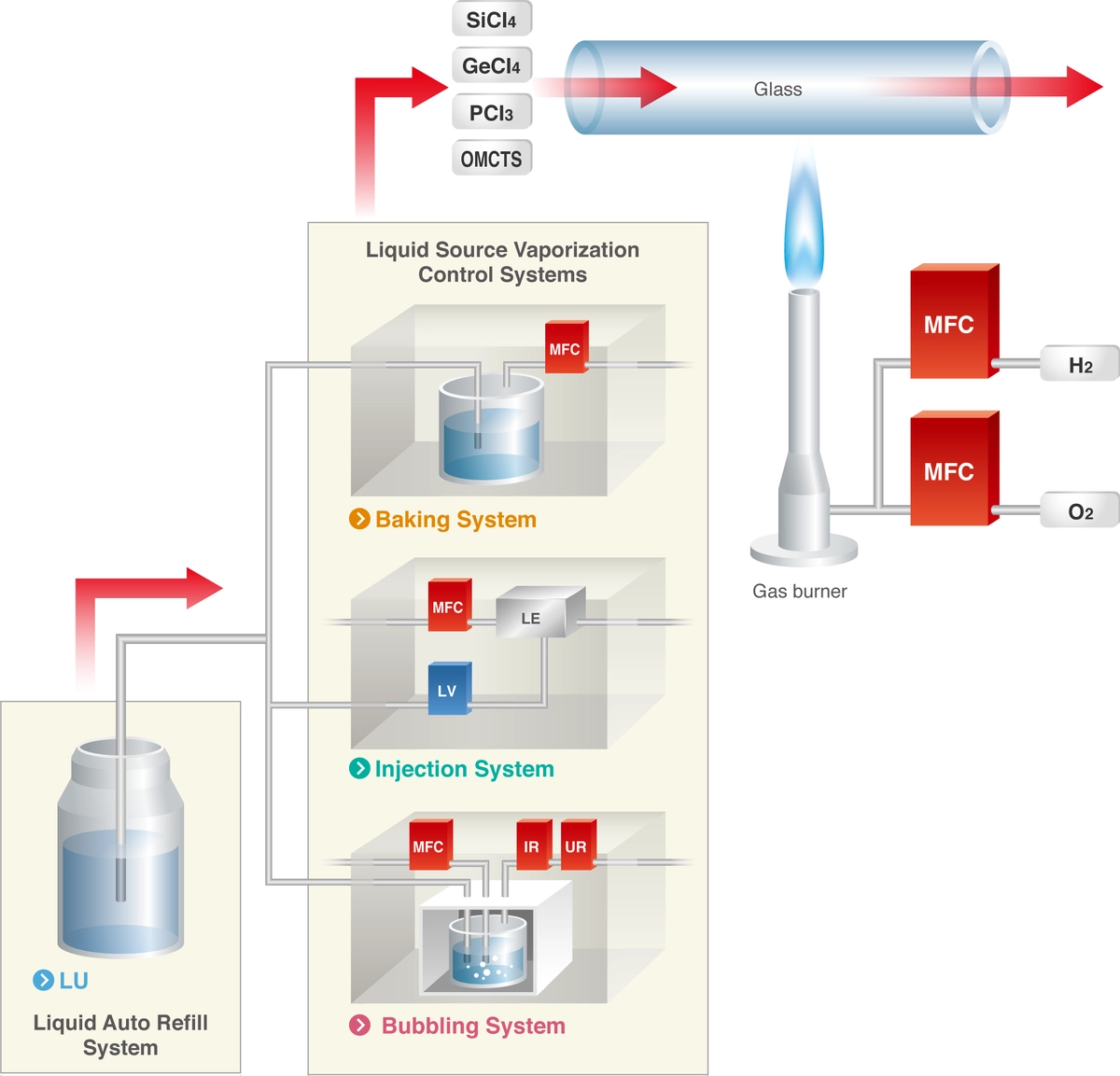
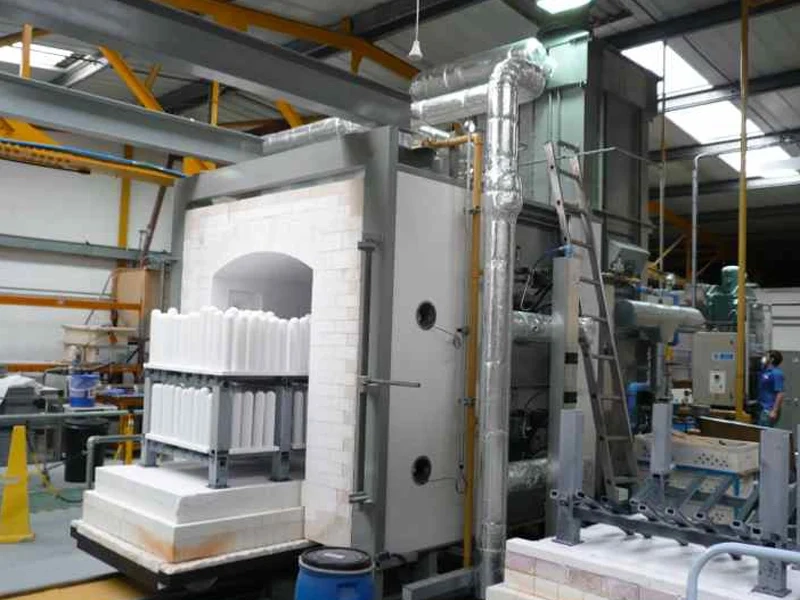
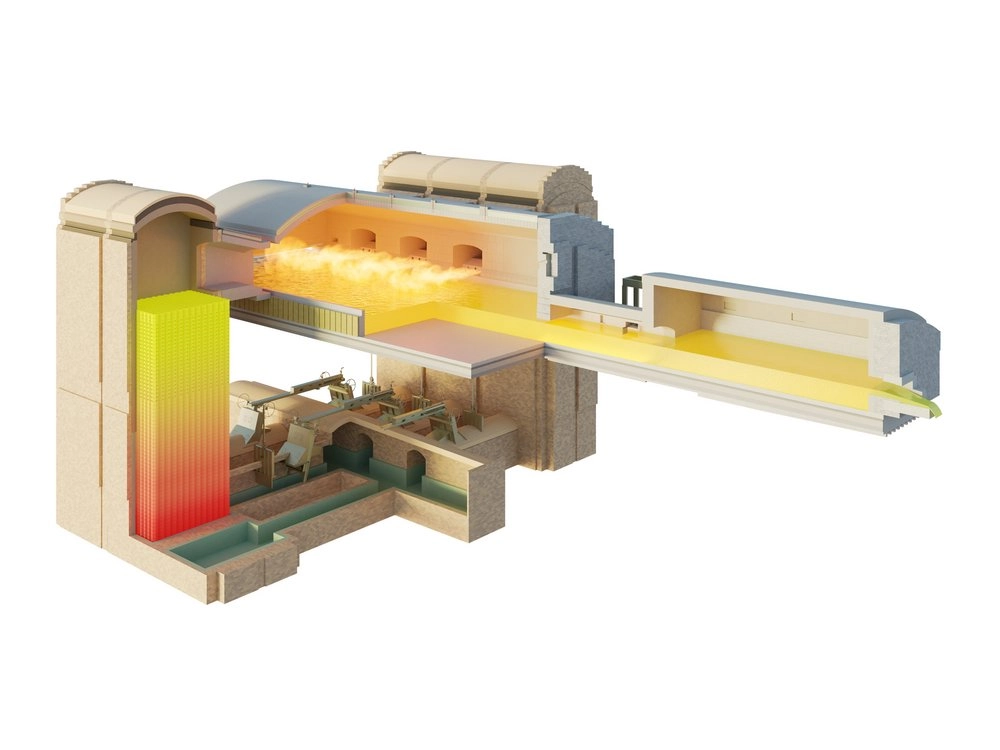
Although traditionally associated with metal production, fluorspar’s role extends into:
🪟 Glass manufacturing (optical clarity & thermal properties)
🍶 Ceramic glazes (improved sintering and finish)
📡 Optical fiber preforms (UV transparency support)
These uses benefit from its high purity and controlled particle sizes, which affect melting and refractive behavior.
Technical Performance: Composition, Mesh, and Purity
To achieve specific industrial outcomes, engineers must consider:
CaF₂ Content vs. Application Sensitivity
| Grade | Typical CaF₂ Content | Ideal For |
|---|---|---|
| HN99 | ≥ 99% | Specialty metallurgy, high-performance glass |
| HN98 | ≥ 98% | Standard steel fluxing & manufacturing |
| HN96-95 | 95-96% | General metallurgy & ceramics |
Specifications such as silica (SiO₂), calcium carbonate (CaCO₃), sulfur (S) and phosphorus (P) content must also be tightly controlled to avoid adverse chemical reactions in sensitive smelting environments.
Particle Size (Mesh) Optimization
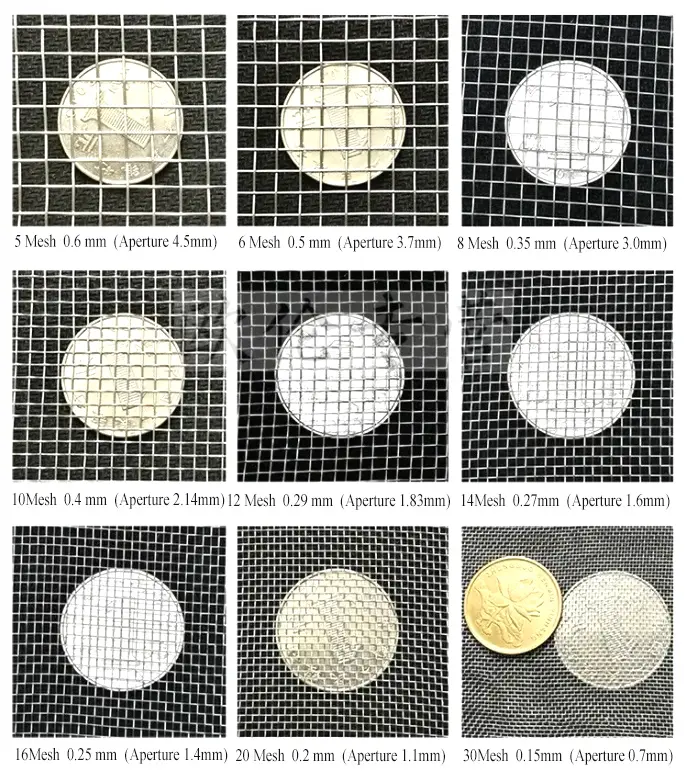
Different applications demand different particle distributions:
- Coarse mesh: stable handling and slower reaction rates
- Fine mesh: enhanced reaction kinetics, faster slag integration
Custom milling to specific mesh sizes (e.g., 60 mesh, 200 mesh, 325 mesh) allows precise control over fluxing effectiveness and consistency.
Choosing the Right Fluorspar: A Procurement Guide
When sourcing metallurgical grade fluorspar, key considerations include:
🔍 Purity & Chemical Specification
High CaF₂ content is generally desirable for most industrial fluxing roles, but too high purity might not be cost-efficient unless needed for specialty metallurgy.
⚙ Particle Size & Handling
Product should be matched to your furnace type, fluxing regime, and reactivity needs — custom mesh sizing often delivers measurable process improvements.
📦 Packaging, Logistics & Supply Reliability
Material must arrive with consistent quality and traceability, with packaging designed to preserve dryness and prevent contamination.
Addressing Industry Pain Points With Metallurgical Fluorspar
Pain Point 1: High Energy Consumption in Steel Furnaces
Solution: Properly sized CaF₂ flux lowers the slag melting point — reducing fuel consumption and stabilizing thermal profiles.
Pain Point 2: Impurity Control & Mechanical Failures
Solution: Fluorspar’s flux action facilitates reliable impurity removal, reducing porosity and improving tensile strength outcomes.
Pain Point 3: Variable Quality from Ill-Specified Raw Materials
Solution: Standardized grading and chemical analysis ensure repeatable results across batches, eliminating process inconsistency.
Conclusion: Why Metallurgical Grade Fluorspar Still Matters in Modern Industry
Despite its seeming simplicity, metallurgical grade fluorspar remains a strategic raw material — vital for efficient smelting, cleaner production, and consistent results across metallurgy, ceramics, and advanced material manufacturing.
By understanding its chemical behavior, industrial roles, and application sensitivities, professionals can make better decisions in procurement, production tuning, and quality control — a decisive factor in cost-competitive industries.