Use Cases, Performance Comparisons & Best Practices
🏭 Core Uses of Aluminium Fluoride
A. Aluminium Smelting Flux Agent
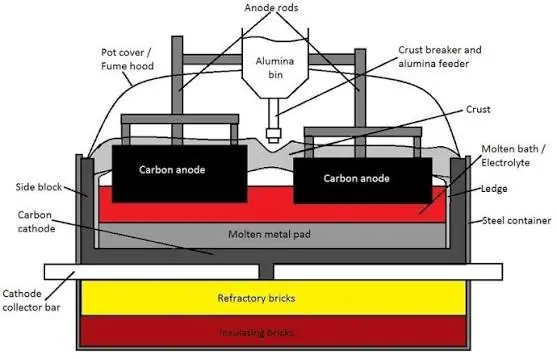
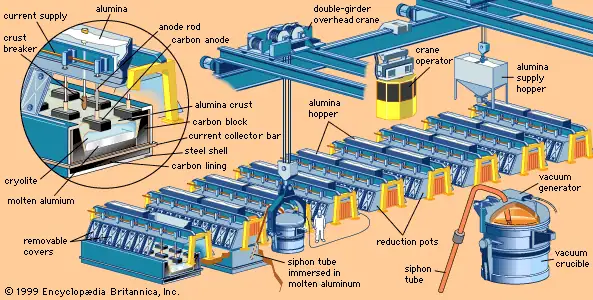
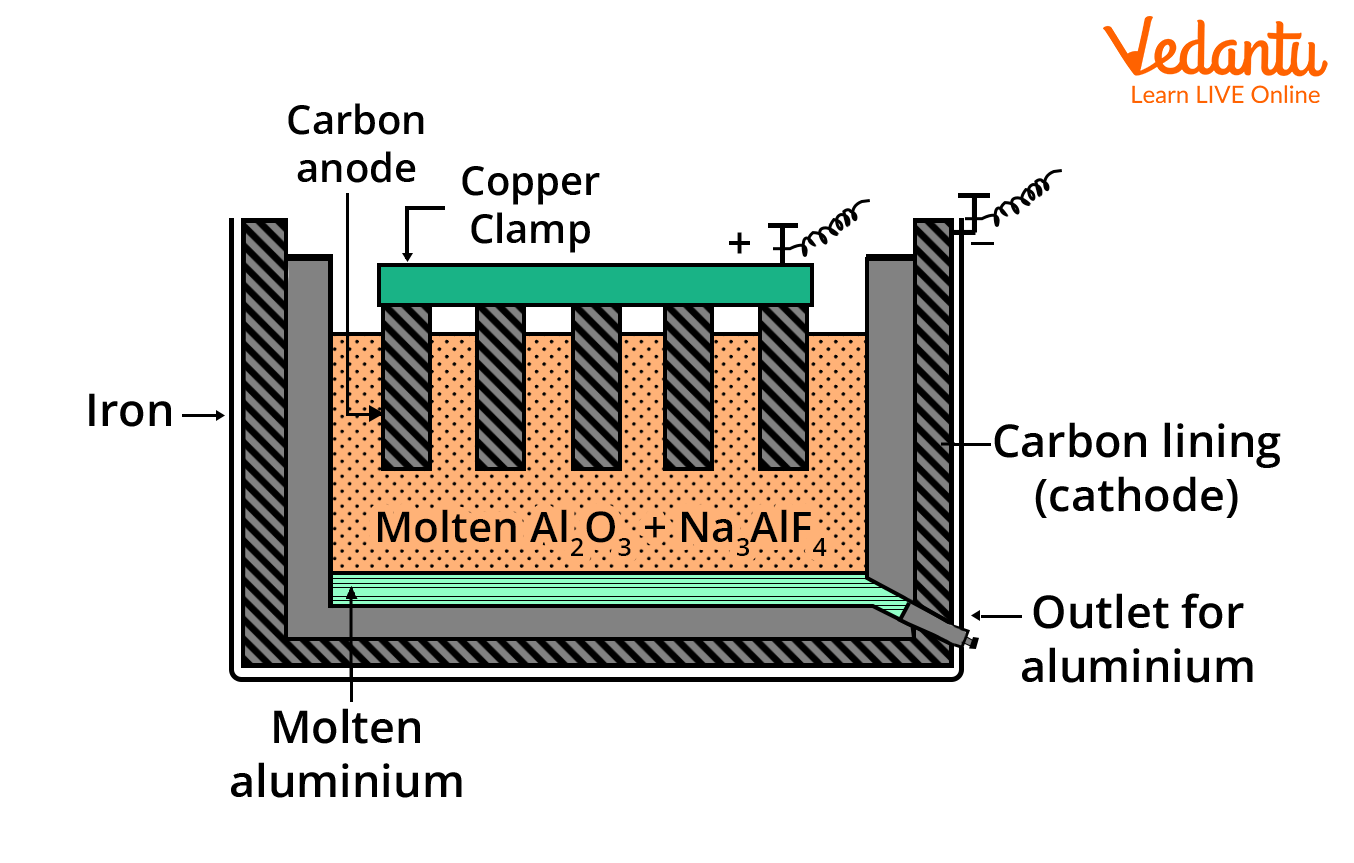
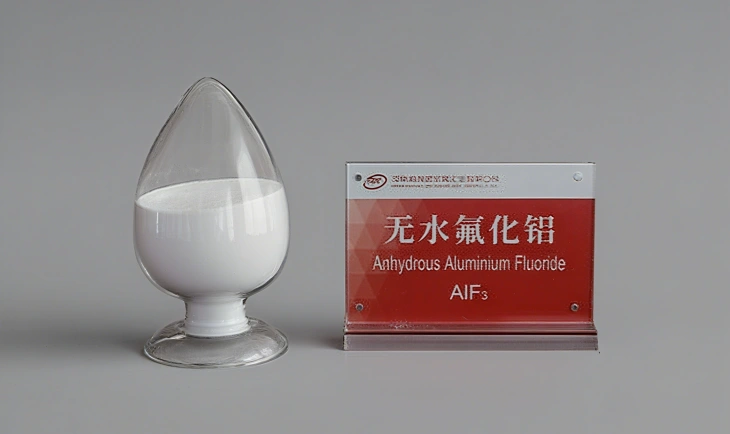
Aluminium fluoride plays a critical role in the Hall-Héroult electrolytic process. It lowers the melting point of alumina and improves bath conductivity, leading to:
- Reduced operating temperature
- Lower electricity consumption
- Improved current efficiency
- Stabilized electrolyte chemistry
For smelters facing rising energy costs, optimizing AlF₃ addition can significantly reduce cost per ton of aluminum produced.
Industry Insight:
Even a small improvement in bath chemistry can translate into millions of dollars in annual energy savings for large-scale smelters.
B. Specialty Ceramics & Glass Manufacturing
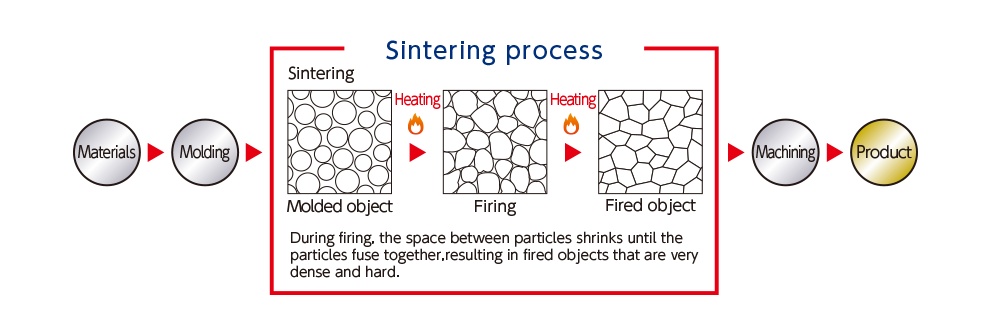
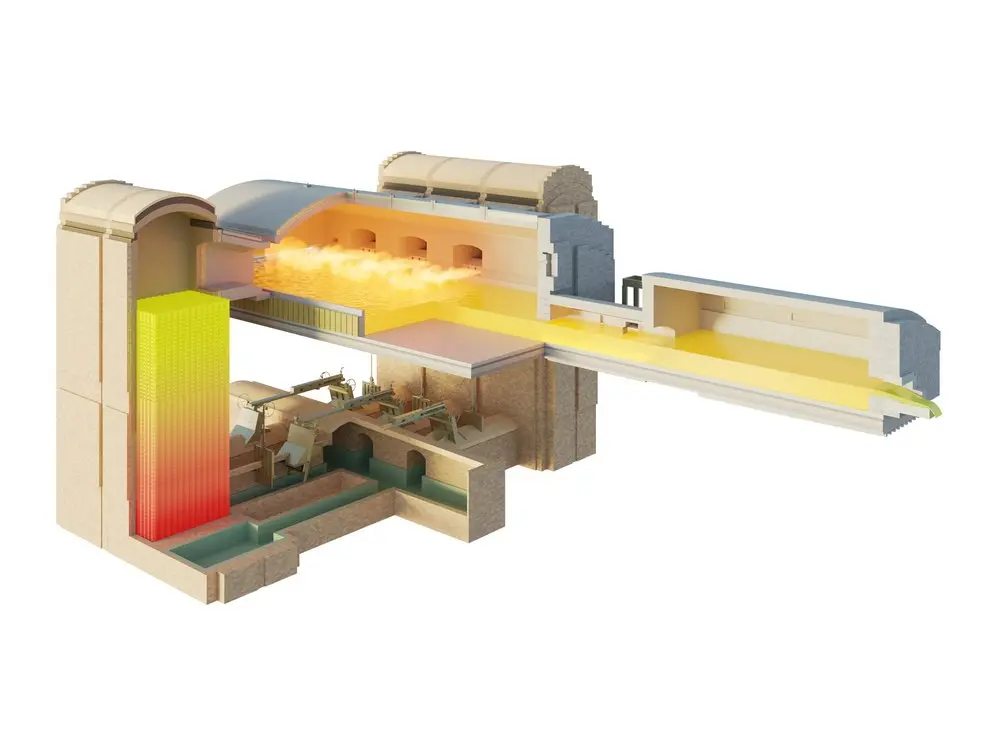
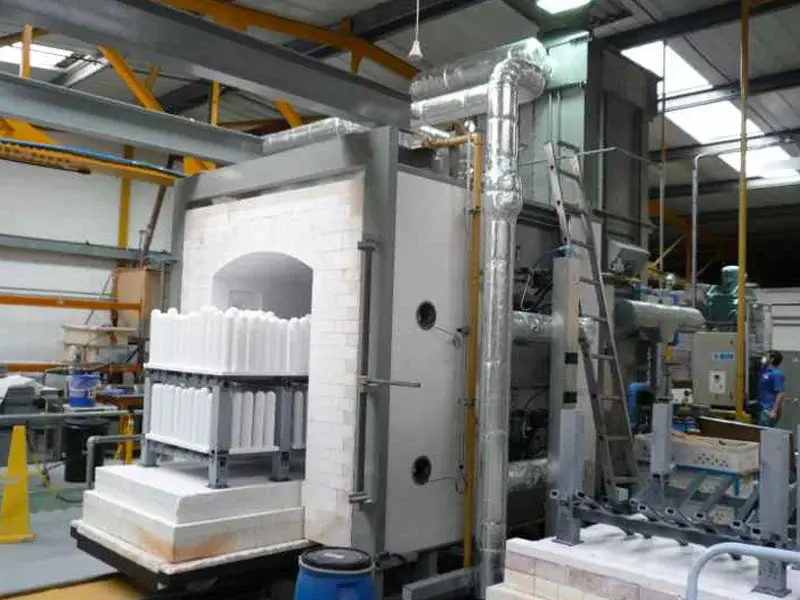
Beyond metallurgy, aluminium fluoride enhances performance in high-temperature material production:
- Promotes uniform ceramic sintering
- Improves glaze adhesion
- Enhances optical clarity in specialty glass
- Reduces bubble formation during melting
In electronic ceramics and advanced optical glass production, high-purity grades prevent structural defects and improve yield rates.
🎖 Competitive Comparison: Aluminium Fluoride vs Other Fluorides
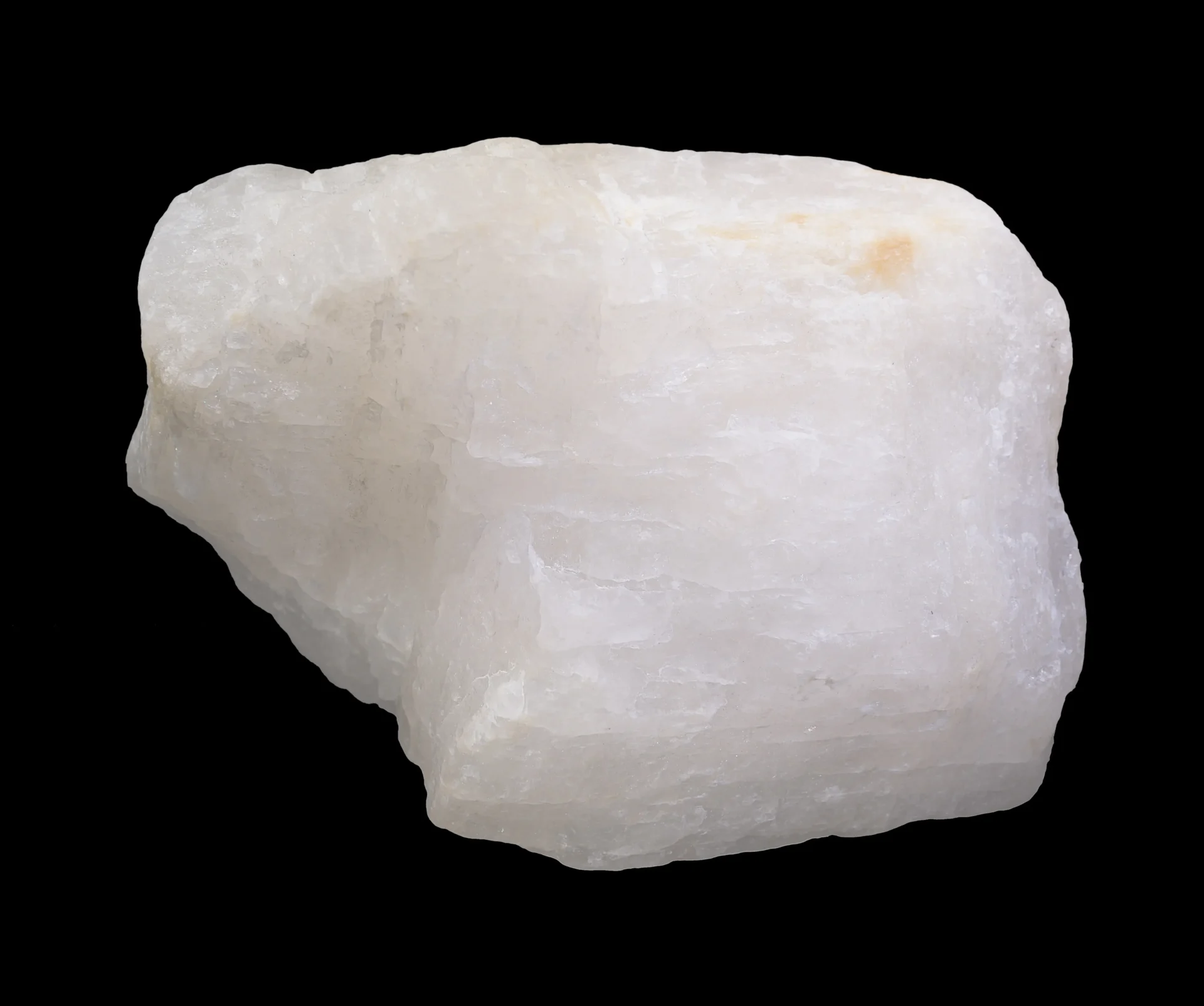
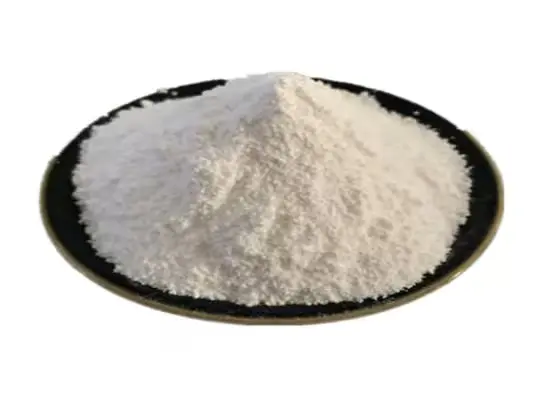
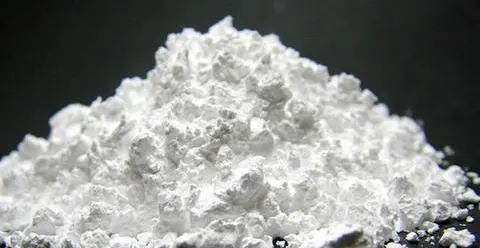
When selecting a fluoride source, performance consistency matters more than initial cost.
| Criteria | Aluminium Fluoride | Other Fluorides (e.g., Cryolite) |
|---|---|---|
| Electrolyte Efficiency | High | Medium |
| Thermal Stability | Excellent | Good |
| Impurity Control | Easier to standardize | More variable |
| Long-term Cost Impact | Lower overall | May increase hidden costs |
Choosing lower-grade substitutes can lead to:
- Higher volatilization losses
- Unstable bath ratios
- Increased defect rates
🧠 Solving Common Manufacturing Problems
Challenge 1: High Energy Consumption in Smelting
Solution:
- Optimize AlF₃ dosing based on bath chemistry
- Use low-moisture, high-purity material
- Monitor fluoride balance regularly
Challenge 2: Ceramic Firing Defects
Solution:
- Select controlled particle size distribution
- Ensure batch-to-batch consistency
- Avoid high impurity levels that affect melt behavior
Challenge 3: Inconsistent Alloy or Glass Properties
Solution:
- Require Certificate of Analysis (CoA) for every batch
- Work with technically capable suppliers
- Implement incoming raw material inspection standards
📈 Market Perspective
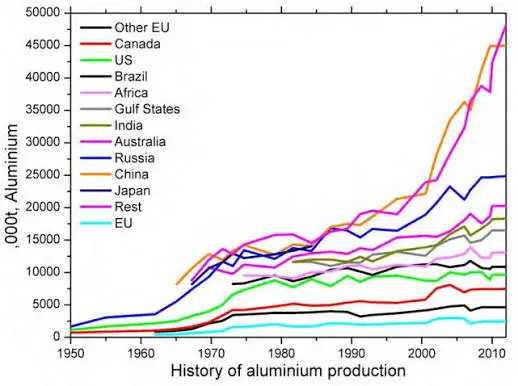

由于以下原因,对氟化铝的需求持续增长:
- Expansion of aluminum production capacity
- Lightweight material demand in automotive & aerospace
- Growth of specialty ceramics and glass industries
Strategic sourcing is becoming increasingly important for cost control and supply chain stability.
✅ Best Practice Checklist for Buyers
✔ Evaluate purity and moisture specifications
✔ Compare total cost of ownership, not just unit price
✔ Partner with suppliers providing technical support
✔ Match product grade to specific industrial application