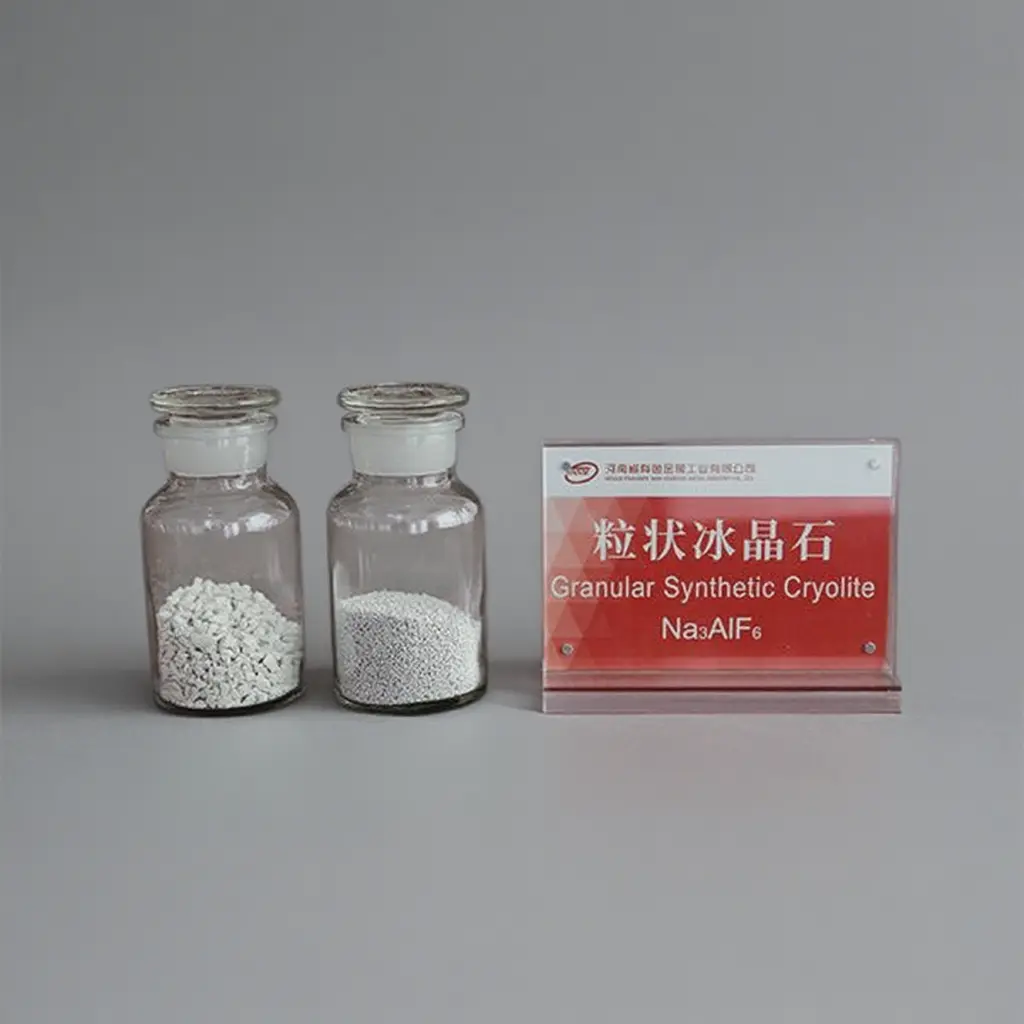
When sourcing cryolite for potline start-up, a procurement team should start with the approved commissioning material plan—not with a generic tonnes-per-pot estimate.
A new aluminium smelter may need a substantial electrolyte inventory before its first cells enter operation. However, the total start-up bath requirement does not automatically equal the amount of fresh synthetic cryolite the project needs to purchase.
The start-up material package may combine:
- internal bath;
- purchased bath material;
- fresh synthetic cryolite;
- aluminium fluoride; and
- other chemistry-adjusting inputs.
The actual combination depends on the selected start-up practice and target bath chemistry.
Industry literature on aluminium reduction-cell start-up confirms that smelters use different combinations of liquid bath, solid bath and cryolite. It also describes modern start-up practices that rely primarily on available or purchased bath rather than filling every new cell with pure cryolite.
For a project procurement manager, the practical question is therefore not:
How many tonnes of cryolite does each pot need?
The more useful question is:
What does the approved start-up material plan require from external suppliers, and what portion of that requirement should the project purchase as synthetic cryolite?
That distinction should drive:
- quantity estimation;
- technical specification;
- supplier evaluation; and
- the delivery programme before potline commissioning begins.
1. Cryolite for Potline Startup: What Is the Actual Potline Start-Up Plan?
Procurement does not need to design the cell start-up procedure.
It does, however, need the technical team to translate that procedure into a clear raw-material purchasing basis.
Before issuing a cryolite RFQ, procurement should understand four project inputs:
start-up method → initial bath strategy → commissioning sequence → target start-up bath chemistry
These inputs matter more than total potline capacity alone.
A greenfield aluminium smelter starts from a different material position than an expansion at an operating plant.
An existing smelter may already have suitable bath inventory available internally. A new project, by contrast, may need to source a larger share of its initial electrolyte material externally.
The commissioning sequence also changes the purchasing profile.
A 240-cell potline does not necessarily create one 240-cell cryolite order. The project may commission cells in several phases, and the available bath balance can change as the programme progresses.
Technical literature describes conventional start-up practices that use liquid bath from operating donor cells. During new potline commissioning, cells already brought into operation may also support later starts.
Procurement does not need the operational details of that transfer process.
The commercial implication is enough:
External material demand can differ between the first commissioning phase and later phases.
The selected start-up method creates another material difference.
Dry, conventional, and semi-conventional procedures do not use the same proportions of solid and liquid bath. Sohar Aluminium’s 2025 published work, for example, documents materially different bath-introduction strategies across these start-up methods.
Those quantities apply to Sohar’s technology and procedures. Procurement teams should not copy them as universal tonnes-per-cell benchmarks.
The purchasing team should therefore ask the commissioning team for the material consequence of the start-up method, rather than trying to learn how to operate the cell.
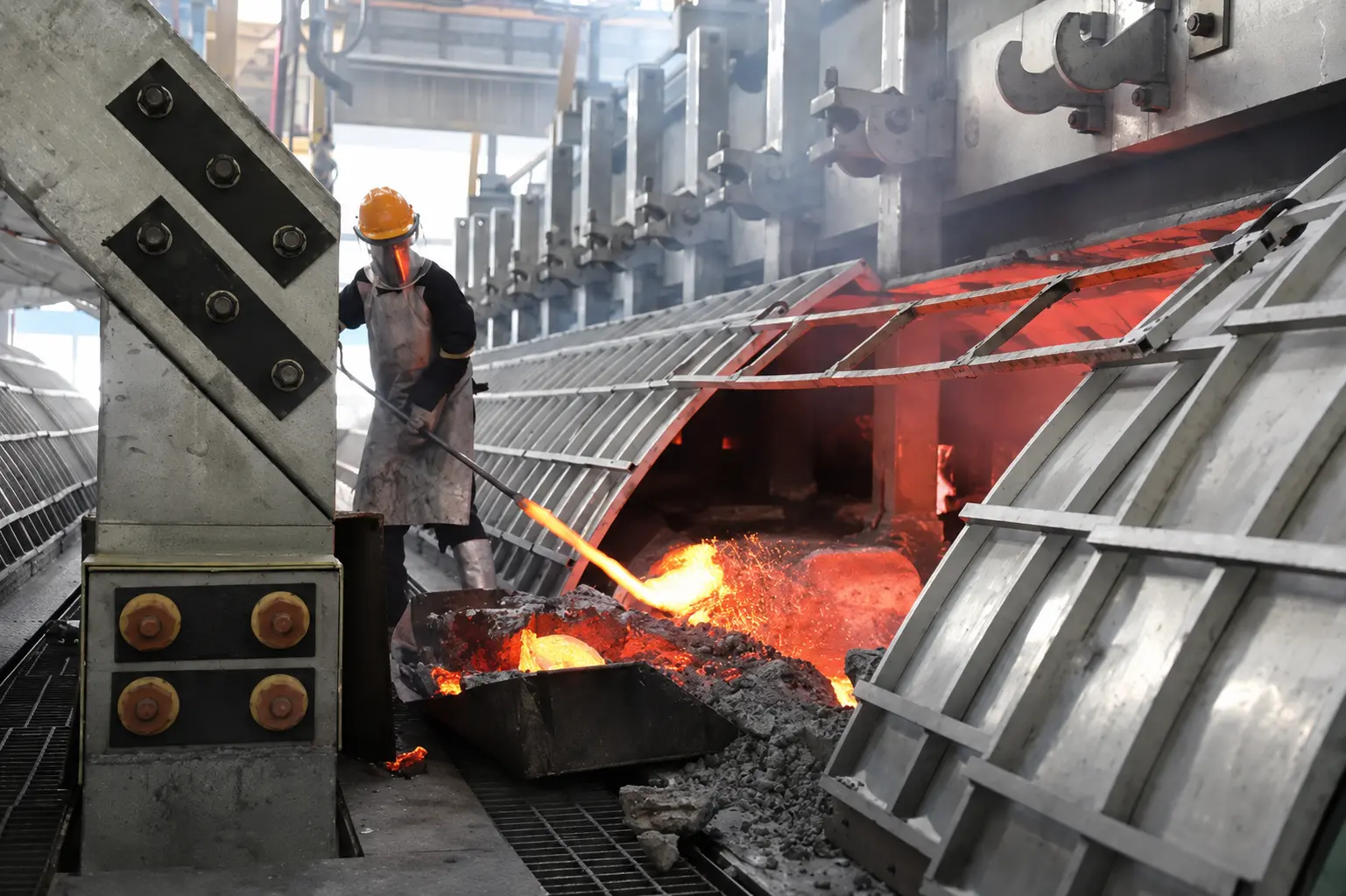
Once procurement has this basis, it can move to the first real sourcing question:
Where will the start-up bath come from?
2. Where Will the Initial Bath Come From?
This question determines whether a project needs fresh synthetic cryolite as:
- a major start-up input;
- a chemistry-adjustment material; or
- something between those two positions.
The first distinction is critical:
Start-up bath requirement and purchased synthetic cryolite requirement are not the same quantity.
Internal or Recovered Bath
An existing smelter may hold solid, crushed or recovered bath that its technical team can approve for the new cells.
Procurement should count only the material that the project actually accepts for the start-up recipe.
A warehouse may physically hold a large bath inventory, but its quantity alone does not establish its value to the new potline.
The technical team still needs to consider:
- composition;
- contamination;
- storage history; and
- physical suitability.
For procurement purposes:
available inventory ≠ approved start-up contribution
This distinction prevents the purchasing team from understating the fresh-material requirement simply because bath material exists somewhere on site.
Liquid Bath
Where an operating smelter can provide liquid bath, the project may include that quantity in the start-up material balance.
Again, a procurement guide does not need to explain how potroom teams tap or transfer the bath.
The useful purchasing input is much simpler:
How much approved liquid bath will the project make available, and during which commissioning phases?
That information changes the amount of material procurement must secure externally.
Purchased Bath Material
A greenfield project may also need to source bath material externally when it lacks sufficient internal bath.
The 2022 Light Metals review specifically discusses purchasing solid bath for a new smelter or new potline and contrasts this approach with historical practices that relied more heavily on pure cryolite.
For a cryolite buyer, this creates an important control point:
An external bath shortage does not automatically become an equal-tonnage synthetic cryolite order.
Where the approved start-up plan calls for purchased bath material, procurement should separate that requirement from the fresh synthetic cryolite requirement.
Fresh Synthetic Cryolite
The project may use fresh synthetic cryolite as part of the initial material charge or to move the combined electrolyte toward the required start-up chemistry.
Its role depends on the project’s approved recipe.
A project with sufficient suitable bath may need fresh cryolite primarily for composition adjustment.
Another technology or start-up practice may specify a greater fresh-cryolite contribution.
The procurement team should therefore resist the temptation to begin with a sales-style assumption such as:
number of pots × tonnes of fresh cryolite
Instead, it should first establish the complete start-up material package and then identify the synthetic cryolite component.
3. How Much External Cryolite Is Actually Required?
This is the central purchasing calculation.
A project should determine fresh cryolite demand through a material and chemistry balance for each commissioning phase, rather than apply a universal cryolite-per-pot figure.
Start With the Approved Start-Up Material Requirement
The commissioning or reduction team should give procurement the quantity and type of electrolyte material required for the relevant group of cells.
That technical basis should distinguish the major material inputs where applicable:
- internal bath;
- purchased bath;
- fresh synthetic cryolite;
- AlF₃; and
- other approved adjustment materials.
Procurement should not reverse-engineer this requirement from another smelter’s published start-up figures.
Different:
- cell technologies;
- start-up methods; and
- chemistry targets
can produce very different material requirements.
The 2025 Sohar case illustrates this variability clearly: its dry, conventional and semi-conventional methods use different solid and liquid bath strategies.
Determine the Qualified Internal Contribution
Next, procurement should establish how much internal bath the technical team has approved.
The distinction between physical inventory and qualified inventory matters here.
If a project holds 100 tonnes of recovered bath, the purchasing team should not automatically deduct 100 tonnes from an external order.
Instead, it should ask:
How much of this inventory can the start-up team actually use, and what chemistry adjustment will that material require?
That number belongs in the procurement calculation.
Separate the External Bath Requirement From the Fresh Cryolite Requirement
After the project accounts for qualified internal material, it can identify the remaining external start-up requirement.
At this point, procurement should not automatically convert the remaining tonnes into synthetic cryolite.
The technical team should split the external material requirement according to the approved start-up recipe.
A more accurate purchasing logic is:
Total start-up electrolyte requirement
↓
Subtract qualified internal contribution
↓
Determine external bath/material requirement
↓
Split the requirement into purchased bath, fresh synthetic cryolite, AlF₃ and other approved inputs
This sequence avoids one of the most important potential errors in start-up procurement:
treating the bath mass balance and the cryolite purchase quantity as the same calculation.
Calculate the Requirement by Commissioning Phase
A large project should then divide the fresh synthetic cryolite requirement according to time.
The buyer needs two figures:
- estimated total project demand; and
- quantity required for each commissioning phase.
The second figure matters more to shipment planning.
A first commissioning phase may carry greater dependence on externally sourced material, while later phases may operate with a different bath balance.
Procurement can therefore avoid unnecessary early inventory while still protecting the project against material shortages.
Keep Commissioning Stock Separate From Normal Operating Consumption
The project should also separate start-up cryolite from routine operating make-up.
Start-up procurement supports initial bath establishment and commissioning.
Normal production creates a different requirement associated with routine bath management and plant-specific fluoride balance.
Combining these two demand streams can:
- inflate the commissioning RFQ; and
- obscure the quantity the project genuinely needs before start-up.
Normal cryolite consumption therefore belongs in a separate operating-consumption analysis.
Add Contingency Against Defined Risks
A major project needs contingency, but procurement should connect that reserve to identifiable risks.
Potential drivers include:
- a faster commissioning sequence;
- lower approved bath inventory;
- additional chemistry adjustment;
- rejected or non-conforming material; and
- delayed international shipments.
Any of these factors may increase the amount of material the project needs on hand.
The purchasing objective is not maximum inventory.
It is to keep:
approved cryolite availability off the commissioning critical path.
4. What Specification Must the Purchased Cryolite Meet?
Once the project identifies the fresh cryolite quantity, procurement can focus on the product itself.
At this point, the project technical specification should control the purchasing decision—not a supplier’s catalogue grade.
A procurement manager should expect the following documents to use the same parameter definitions, units and acceptance limits:
- RFQ;
- supplier offer;
- contract specification; and
- subsequent COA.
If these documents describe different quality bases, price comparisons become unreliable and later acceptance disputes become much more likely.
Keep Product Molecular Ratio and Bath Chemistry Separate
This distinction deserves particular attention.
The molecular ratio stated in a synthetic cryolite specification describes the incoming raw material.
The start-up bath chemistry describes the electrolyte system created after the project combines bath material, fresh cryolite, aluminium fluoride and other planned inputs.
Procurement should not treat the two as interchangeable.
The correct technical question is:
How will this synthetic cryolite composition affect the target start-up bath when the project combines it with its other material inputs?
The technical team can then identify the product composition range that procurement should place in the RFQ.
Define the Project Acceptance Window
A project specification should clearly state the chemical and physical requirements that matter to the smelter.
Depending on the customer’s technical standard, these may include:
- molecular ratio;
- F;
- Al;
- Na;
- key impurity limits;
- moisture;
- loss on ignition;
- physical condition; and
- other agreed project-specific parameters.
GB/T 4291-2017 remains the current Chinese national standard titled Synthetic cryolite.
Procurement teams can use such product standards as a reference where appropriate, but a project should still follow its own approved technical specification and contract requirements.
For a large project, this distinction matters because the buyer may impose limits that differ from a supplier’s standard commercial grade.
The supplier should therefore quote against the actual project specification table, not substitute a nearby catalogue grade without technical approval.
Separate Product Specification From Test Method
The purchase package should also distinguish:
what limits the product must meet
from:
how the parties will measure those limits.
ISO 4443:2022, for example, specifies a wavelength-dispersive X-ray fluorescence method for determining elements in cryolite primarily used for aluminium production.
It is an analytical method, not a universal commercial cryolite grade.
A buyer should therefore avoid using a test-method standard as a substitute for a complete product specification.
For project procurement, the technical package should make clear:
acceptance limits → test method → sampling basis → COA requirement → procedure for disputed results
This creates a far stronger contractual basis than simply asking whether a product “meets ISO”.
Evaluate Production Consistency, Not Only One Sample
One compliant sample COA does not prove that a supplier can support a multi-month commissioning programme.
A project buyer should review representative COAs from several production lots where practical.
The buyer should also discuss the supplier’s normal production range for the parameters the project considers critical.
The supplier should demonstrate that it can maintain the approved quality window over successive shipments.
This matters because the commissioning team already manages changing bath conditions during start-up.
Large variation in incoming cryolite introduces another variable that the project does not need.
For a major potline project:
lot consistency is part of product suitability.
5. When and How Should It Be Delivered?
Once procurement fixes quantity and specification, delivery becomes part of the commissioning plan.
The key date is not simply the supplier’s ETD.
The buyer should manage the required-on-site date: the point by which the project needs approved material available in usable inventory.
Procurement should work backwards from the start-up schedule and account for:
- supplier production;
- quality release;
- inland transport;
- export handling;
- international freight;
- import clearance;
- destination transport;
- site receiving; and
- incoming inspection, where required.
A supplier can ship “on time” and still miss the project requirement if the cargo reaches usable site inventory after the commissioning window.
Phase Shipments Against the Actual Requirement
Where the project schedule allows it, staged deliveries can reduce unnecessary inventory and give procurement more flexibility if commissioning dates change.
However, phased supply also raises the bar for supplier qualification.
Annual nameplate capacity alone does not prove project supply capability.
The buyer should confirm whether the supplier can:
- reserve the required production allocation;
- manufacture successive lots within the same technical window;
- meet the agreed production lead time; and
- maintain the required shipment cadence.
For a large aluminium project, the better question is not:
Can this supplier produce 5,000 tonnes?
It is:
Can this supplier deliver the required qualified quantity in the months and shipment windows when the commissioning plan actually needs it?
Compare Suppliers on the Same Commercial Basis
Procurement should also normalise competing quotations.
Every technically qualified supplier should quote against the same:
- product specification;
- quantity basis;
- packaging;
- Incoterm;
- destination;
- shipment phases;
- documentation requirements; and
- inspection terms.
Otherwise, a lower unit price may simply represent a different delivery obligation or a less demanding specification.
For a commissioning project:
the lowest headline price and the lowest total supply risk are not necessarily the same offer.
Preserve Lot Traceability After Arrival
The project should maintain lot identity after receiving the cryolite.
Warehouse teams should protect the material from conditions that could compromise the agreed product quality.
Individual lots should also remain linked to:
- their COAs;
- receiving records; and
- relevant shipment information.
This becomes especially useful when the project consumes different shipments during successive commissioning phases.
If a technical question arises later, procurement and the commissioning team can trace the material back to the relevant supplier lot rather than treat the entire warehouse inventory as one undifferentiated stock.
Complete the Document Package Before Bulk Shipment
The buyer should also agree to the document package before the first commercial shipment.
For technical approval, this commonly includes:
- agreed product specification;
- COA;
- TDS; and
- SDS.
The commercial shipment package then follows the contract and destination requirements for:
- invoice;
- packing documentation;
- origin documentation; and
- transport documentation.
If the project requires pre-shipment approval or third-party inspection, procurement should include that step in the lead-time calculation rather than add it after production finishes.
A cargo that arrives physically but cannot clear quality or documentation approval can still delay commissioning.
Cryolite Procurement Checklist Before Potline Commissioning
| Procurement Item | What the Project Should Confirm |
|---|---|
| Project basis | Greenfield project or existing-smelter expansion |
| Start-up material strategy | Planned contribution of bath, fresh cryolite, AlF₃ and other inputs |
| Commissioning sequence | Cell groups and planned start dates |
| Start-up electrolyte requirement | Material requirement for each commissioning phase |
| Qualified internal contribution | Bath inventory approved by the technical team |
| Fresh synthetic cryolite quantity | Cryolite component derived from the approved material and chemistry balance |
| Product specification | Approved composition, molecular ratio, impurities, moisture and physical requirements |
| Acceptance basis | Test methods, sampling, COA and dispute procedure |
| Lot consistency | Required production window across multiple shipments |
| Delivery programme | Quantity and required-on-site date by commissioning phase |
| Supplier commitment | Production allocation, lead time and shipment cadence |
| Commercial basis | Packaging, Incoterm, destination, inspection basis and quotation validity |
| Documentation | COA, TDS, SDS and required shipping documents |
Build the Cryolite Purchase Around the Commissioning Basis
For a new aluminium smelter, the cryolite order should emerge from the approved start-up material plan rather than drive it.
The project first needs to establish its start-up bath strategy and identify the usable contribution from internal or purchased bath material.
The technical team can then define:
- the fresh synthetic cryolite component; and
- any other chemistry-adjustment requirements.
Procurement can use that basis to:
- lock the product specification;
- qualify suppliers; and
- phase deliveries against the commissioning schedule.
The central purchasing principle is simple:
The amount and grade of cryolite to purchase should result from the approved start-up material plan—not from a generic tonnes-per-pot assumption.
This approach gives procurement, commissioning and reduction teams one common material basis.
It also reduces three avoidable project risks:
- ordering the wrong quantity;
- accepting a product that does not fit the technical requirement; and
- receiving qualified material after the project needs it.
Preparing an RFQ for a New Potline Project
A useful project RFQ should give the supplier enough information to evaluate the requirement on both a technical and commercial basis.
At minimum, the buyer should communicate:
- required synthetic cryolite specification;
- estimated or confirmed volume;
- phase-by-phase demand, where available;
- first required-on-site date;
- expected delivery programme;
- packaging;
- destination;
- Incoterm; and
- documentation requirements.
If the technical team has not finalised the start-up material balance, procurement can identify the volume as provisional and update it when the project confirms the fresh cryolite component.
For cryolite for potline startup, this allows the RFQ to reflect the project’s actual commissioning requirement rather than a generic product enquiry.
FAQ: Cryolite Procurement for Potline Commissioning
1. How should a new aluminium smelter estimate how much synthetic cryolite to purchase?
The purchase quantity should be calculated from the approved start-up electrolyte material balance.
Procurement should first:
- establish the total material requirement for each commissioning phase;
- deduct only the internal bath contribution approved by the technical team; and
- determine how the remaining requirement is divided among purchased bath material, fresh synthetic cryolite, AlF₃ and other approved inputs.
A generic tonnes-per-pot calculation should not replace this project-specific material balance.
2. Can all recovered or stored bath be deducted from the external purchasing requirement?
No.
Physical inventory and technically approved inventory are not necessarily the same quantity.
Recovered or stored bath should only be included in the start-up material balance after the technical team confirms its:
- composition;
- contamination level;
- storage condition; and
- physical suitability.
Procurement should deduct the qualified contribution, not simply the warehouse tonnage.
3. Should the molecular ratio of purchased synthetic cryolite equal the target bath ratio?
Not necessarily.
The molecular ratio in the incoming cryolite specification describes the purchased raw material.
The start-up bath ratio describes the final electrolyte system after cryolite, existing bath, aluminium fluoride and other approved materials are combined.
The appropriate incoming cryolite specification should therefore be determined from the project’s start-up bath chemistry and material balance rather than by directly copying the target bath ratio.
4. What should procurement check when qualifying a cryolite supplier for a multi-phase potline project?
In addition to confirming the agreed chemical and physical specification, procurement should evaluate:
- batch-to-batch consistency;
- available production allocation;
- production lead time;
- shipment cadence;
- COA and technical documentation;
- packaging;
- export capability; and
- the supplier’s ability to maintain the approved quality range across successive shipments.
For commissioning projects, nominal annual capacity alone is not enough.
The critical question is whether qualified material can arrive on site in the quantities and shipment windows required by the potline schedule.
5. What documents should be confirmed before the first bulk shipment?
The technical approval package commonly includes:
- agreed product specification;
- COA;
- TDS; and
- SDS.
Procurement should also define:
- applicable sampling methods;
- test methods;
- inspection requirements; and
- the procedure for handling disputed results.
Commercial shipping documents should then be agreed according to the contract, Incoterm and destination requirements.
Any third-party inspection or pre-shipment approval should be included in the lead-time plan before production is completed.
Request Synthetic Cryolite Specifications or a Project Quotation
Henan Non-Ferrous Metals Industry Co., Ltd. (HNNM New Materials), backed by Duofuduo New Materials Co., Ltd., supports overseas aluminium smelters and industrial buyers with synthetic cryolite supply, technical specification review and export delivery coordination.
For a new smelter or potline project, HNNM can provide:
- synthetic cryolite specifications;
- representative COAs;
- TDS;
- SDS;
- supply-capacity evaluation; and
- phased shipment planning based on the commissioning programme.
If you are preparing an RFQ, send us:
- required cryolite specification;
- estimated volume;
- destination;
- Incoterm;
- first required on-site date; and
- expected commissioning or delivery schedule, where available.
Our team can review the requirement and provide a project-specific quotation and supply proposal.
Email: [email protected]
Request Synthetic Cryolite Specifications or a Project Quotation