A fluorspar MSDS can help a buyer review handling precautions, but it cannot confirm that a shipment meets a CaF₂ specification. That distinction matters when purchasing, quality and warehouse teams receive the same document pack. Before ordering, agree the product specification and review the applicable safety information. Once the delivery batch is identified, compare its analysis with the agreed limits.
Each document has a separate role. The Safety Data Sheet (SDS), formerly called an MSDS, communicates safety information. A Technical Data Sheet (TDS) describes product characteristics. A Certificate of Analysis (COA) reports results for an identified batch.
Request these documents against the exact material under discussion. A familiar chemical name or CAS number alone does not establish that the paperwork covers the offered grade, physical form or composition.

What each document tells the buyer
| Document | Main procurement use | What it cannot establish alone |
| SDS or MSDS | Review hazards, handling and emergency information | Whether a shipment meets quality limits |
| TDS or specification sheet | Compare technical properties and available grades | Actual results for the delivery batch |
| COA | Compare batch results with agreed acceptance criteria | Workplace precautions or complete process suitability |
An approved specification should identify which values are guaranteed limits and which are typical figures. A representative COA supports preliminary evaluation, but its results belong to the stated batch. Retain the final agreed specification alongside the purchase order so subsequent checks use the same acceptance basis.
How to check a fluorspar MSDS before approval
Start with product identification, responsible party contact details, intended use and revision information. Confirm that the document covers the ordered product. An acid grade fluorspar MSDS should be checked against the offered concentrate, rather than accepted simply because its title mentions calcium fluoride.
OSHA’s current SDS requirements distinguish mandatory sections 1–11 and 16 from optional sections 12–15 under the US rule. Do not treat one country’s requirements as universal. For procurement, use the following sections to locate relevant information, then check destination requirements separately.
For initial review, prioritise:
Sections 1–3: product identity, contacts, classification and composition.
Sections 7–8: handling, storage, exposure controls and protective measures.
Section 10: stability, reactivity and incompatible materials.
Section 14, where included: transport information; section 16: preparation or revision details.
Read the complete document with the receiving site’s safety team. Clarify missing information or statements that appear unrelated to the material before using them in operating instructions.
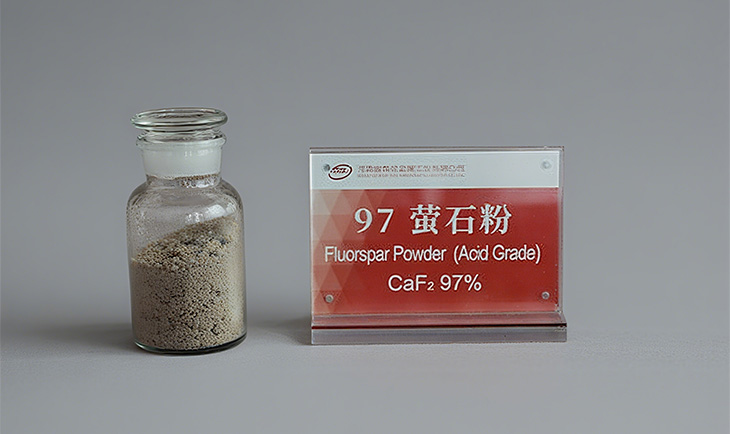
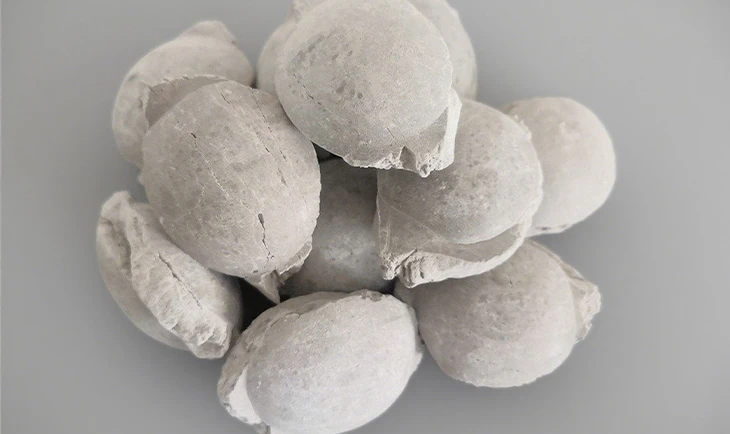
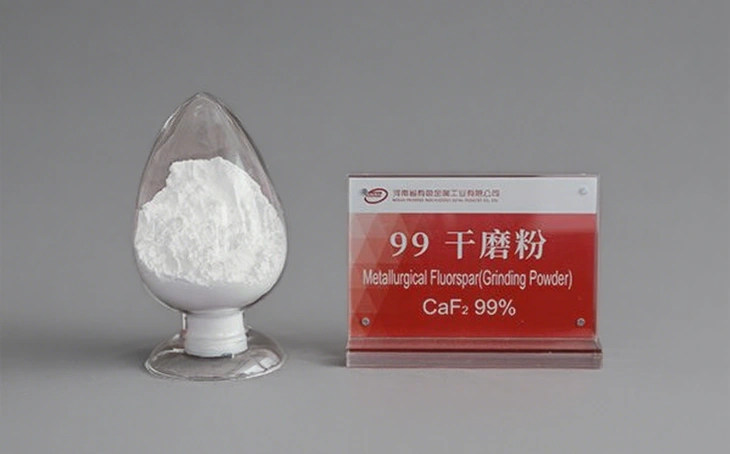
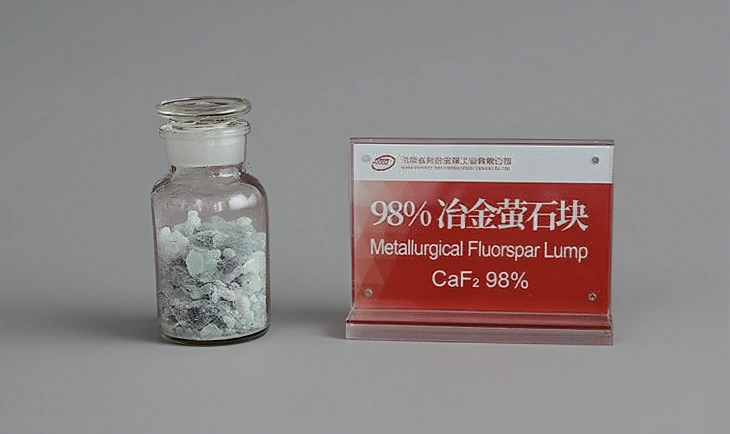
A fluorspar powder MSDS also needs to be relevant to the supplied form. Fine powder, moist concentrate, lump and pressed balls should not automatically be treated as identical products. Where a document covers several grades, ask the issuing party to confirm its scope.
Check the specification before interpreting a COA
Use the agreed grade as the comparison point. For example, the published acid-grade fluorspar powder specifications list the following limits for HN97-0:
| Parameter | Published limit |
| CaF₂ | ≥97.50% |
| SiO₂ | ≤1.2% |
| CaCO₃ | ≤0.8% |
| P | ≤0.05% |
| S | ≤0.05% |
| H₂O | ≤10% |
These are published limits, not shipment test results. For an order adopting this specification, a COA reporting only CaF₂ would leave the listed impurity and moisture requirements unverified. Ask for the missing results or agree another documented verification method before accepting the batch.
The assay basis must also be agreed: a dry-basis result is not directly comparable with an as-received result. This example does not specify that basis. Nor should the listed minimum and maximum values be added together as a measured composition. They are separate acceptance limits for this grade.
For further discussion of grade selection, see fluorspar composition and impurities. A lot can meet the purchase specification yet still require process qualification at a new plant.
What should buyers check on a batch COA
Check the product name, grade, batch or lot identifier, report date, test results and reporting units. The batch reference should be traceable to the material being dispatched through the agreed shipment records.
Compare measured values with the contractual limits, rather than accepting a general statement such as “qualified.” Where acceptance depends on the result, agree the sampling procedure and analytical method before shipment. Differences in reporting basis can make two apparently similar certificates difficult to compare.
For repeat orders, request recent representative results to assess variation across batches. One passing COA shows results for one lot; it does not establish long-term consistency. Independent inspection or testing can be agreed where the purchasing risk warrants it.
For a delivery containing several lots, establish which material each certificate covers. A report without a clear link to the dispatched lots leaves a traceability gap, even if its figures look acceptable. Where composite sampling is agreed, define the material represented and the sampling method. Settle the retest procedure and release authority before a disputed result delays loading.
What if there is no separate TDS
A dated product specification sheet can support technical review even when it is not titled TDS. Confirm the product code, chemical limits, physical form, particle-size requirements where relevant, packaging and any application-specific acceptance criteria.
Distinguish a supplier’s general catalogue from the specification accepted for your order. Any critical requirement absent from the catalogue should be confirmed in writing. Do not infer a zero impurity level from a dash or an empty table cell.
Product form matters here. The fluorite ball product page describes material made with a binder. For that product, ask whether the technical and safety documents address the finished balls, including relevant additives, rather than only the starting powder.
When to request and reconcile the documents
At enquiry stage, request the applicable SDS, proposed specification and an available representative COA. A historical COA is useful for screening; it does not mean the same stock is reserved. Confirm document timing in the order. Where pre-shipment approval is required, review the relevant batch COA before release and match its identification to the shipment records.
For recurring supply, agree how changes to product composition, source or specification will be communicated. Keep version-controlled documents accessible to purchasing, quality and the receiving site. Resolve mismatches before release, rather than leaving the receiving team to decide which document governs the delivery.
FAQ
Is fluorspar hazardous?
Check the classification for the specific product and applicable jurisdiction. A transport statement such as “not dangerous goods” does not establish that handling requires no precautions. Review the relevant SDS and workplace assessment; do not extend one product’s classification to all grades.
Is an MSDS of fluorspar the same as an SDS?
MSDS is the older term. When requesting a fluorspar SDS, ask for the current version applicable to the product and destination. Renaming an old MSDS file “SDS” does not update its contents.
Can a generic calcium fluoride SDS cover every grade?
Not automatically. Confirm that its scope covers the actual composition and physical form, including relevant impurities or additives. A shared CAS number is not enough to establish that match.
Can we approve an order with only an SDS?
An SDS supports safety review, but does not establish quality acceptance. Confirm the specification before ordering and agree when the batch COA will be provided. A historical sample COA cannot certify the next shipment.
Discuss your fluorspar document requirements
Henan Non-Ferrous Metals Industry Co., Ltd. (HNNM), a subsidiary of Duofuduo New Materials Co., Ltd., supports overseas industrial procurement as a fluorspar supplier. Send the required grade, application, quantity and destination through our contact page. Tell us whether you need a fluorspar MSDS or SDS for internal approval, and specify your COA reporting requirements. We can then confirm the applicable documents and their availability alongside the offer. Telephone: +86-371-63975077.