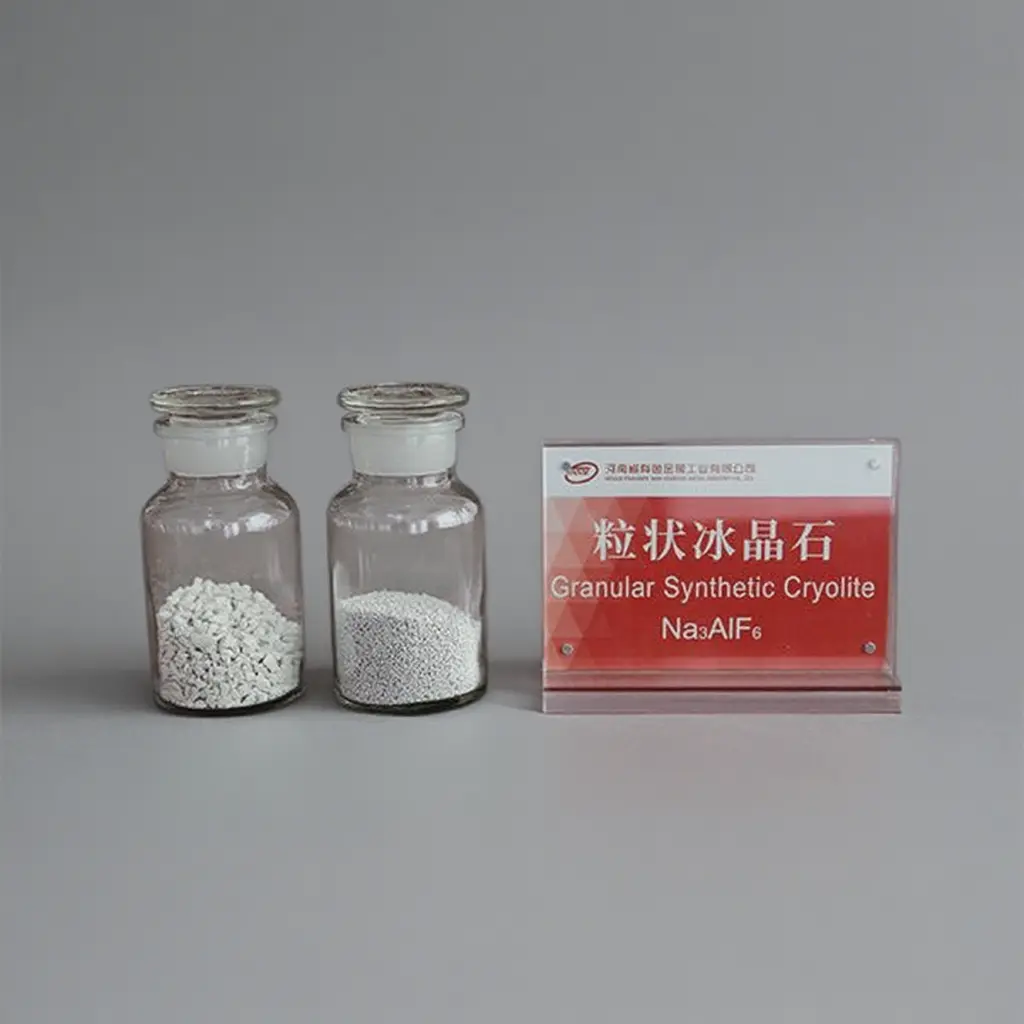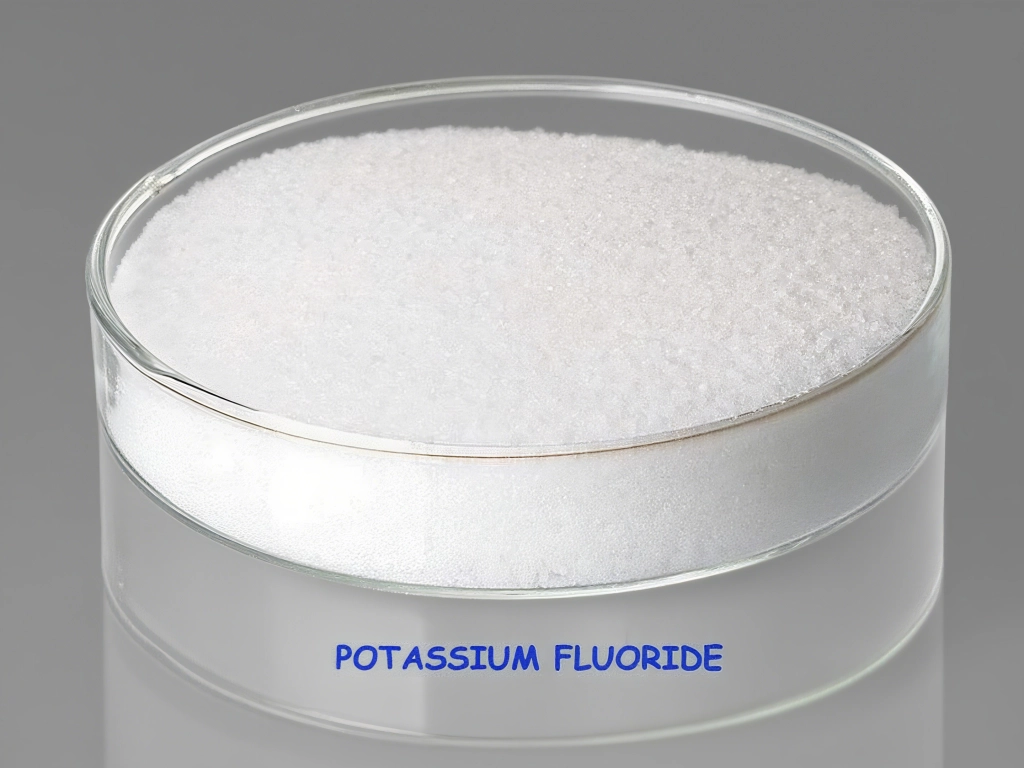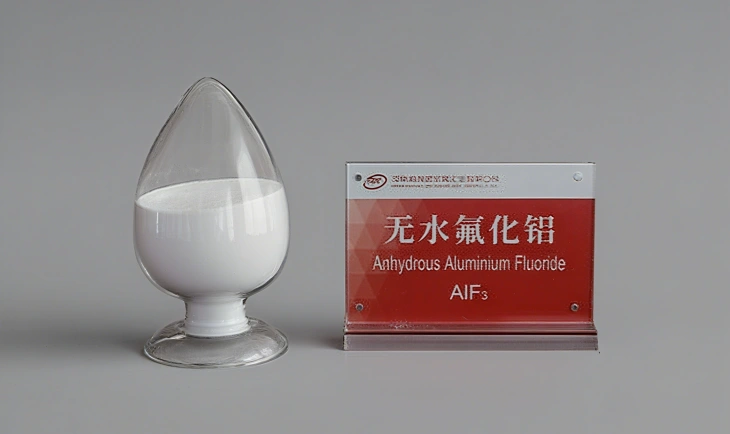
Synthetic cryolite (Na3AlF6) is a key functional material in the aluminum electrolysis industry and a widely used raw material across several fluorine-based industrial systems. For engineers, procurement managers, and process teams, understanding its role in the electrolyte system helps improve material evaluation, specification matching, and purchasing decisions.
In modern primary aluminum production, cryolite is not used as an isolated compound. Instead, it serves as an important base component of the electrolyte system. Industrial aluminum electrolysis still mainly relies on the Hall-Heroult process, in which alumina is dissolved in a molten salt system based on cryolite before electrolysis takes place.
Why Synthetic Cryolite Is Critical to Aluminum Electrolysis
It Is a Core Base Component of the Electrolyte System
In the Hall-Heroult process, a cryolite-based molten salt system is an essential condition for alumina electrolysis. Modern industrial cells operate at high temperatures, and the electrolyte composition is adjusted according to process requirements. Within this system, cryolite acts as the fundamental medium that supports stable operation.
It Allows Alumina To Be Electrolyzed Under More Controllable Conditions
Pure alumina has a very high melting point, making direct electrolysis impractical. The key value of cryolite is that it provides a molten salt environment suitable for alumina dissolution and ionic conduction, allowing aluminum electrolysis to proceed under industrially controllable conditions.
It Directly Affects Electrolyte Stability and Process Continuity
For aluminum producers, cryolite is not an ordinary additive. It is an important material that directly affects electrolyte condition, cell control, and continuous production. For this reason, industrial buyers usually focus not only on price, but also on molar ratio, particle size, impurity control, and batch consistency.
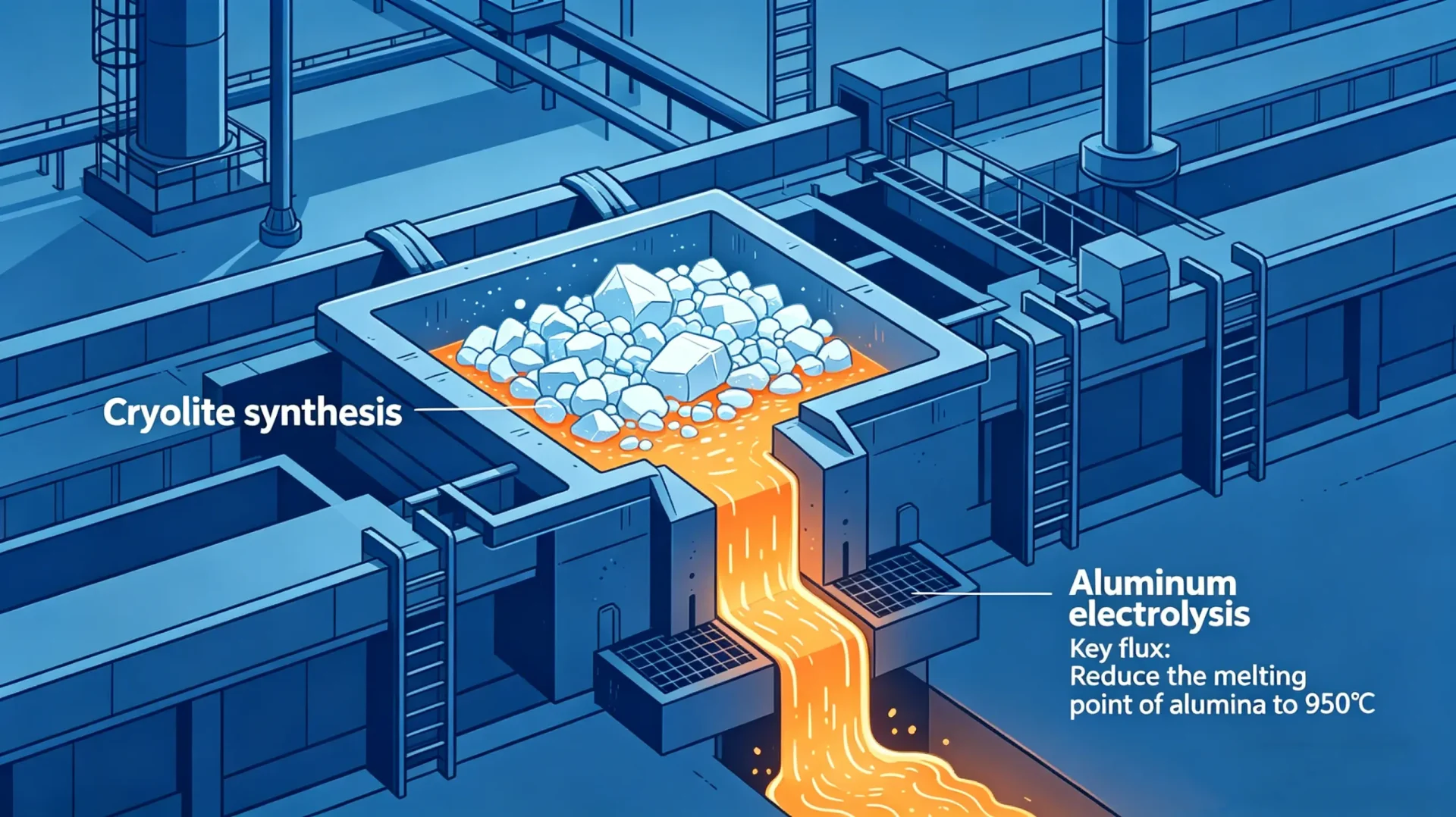
Main Functions of Synthetic Cryolite in Aluminum Production
Providing a Suitable Molten Salt Environment for Electrolysis
A cryolite-based electrolyte system reduces the process difficulty created by the fact that pure alumina cannot be directly electrolyzed in a practical way. This makes industrial-scale electrolysis feasible and gives cryolite a foundational role in aluminum smelting operations.
Supporting Continuous Electrolysis
Cryolite-based systems have favorable ionic conductivity and are one of the key conditions that allow aluminum electrolysis to continue steadily. Rather than simply saying it improves efficiency, it is more accurate to say that cryolite helps create an electrolyte environment suitable for stable industrial operation.
Supporting Aluminum Deposition and Continuous Production
During electrolysis, dissolved alumina undergoes the electrochemical reaction and liquid aluminum collects at the bottom of the cell. In this process, the cryolite-based molten salt system serves as the key reaction medium that enables continuous production.
It Still Has No Mature Full-Scale Substitute
At present, the global primary aluminum industry still mainly relies on electrolyte systems centered on cryolite. Although alternative routes continue to be studied, no mature solution has yet replaced the traditional cryolite-based system on a broad industrial scale.
Industrial Uses of Synthetic Cryolite Beyond Aluminum Electrolysis
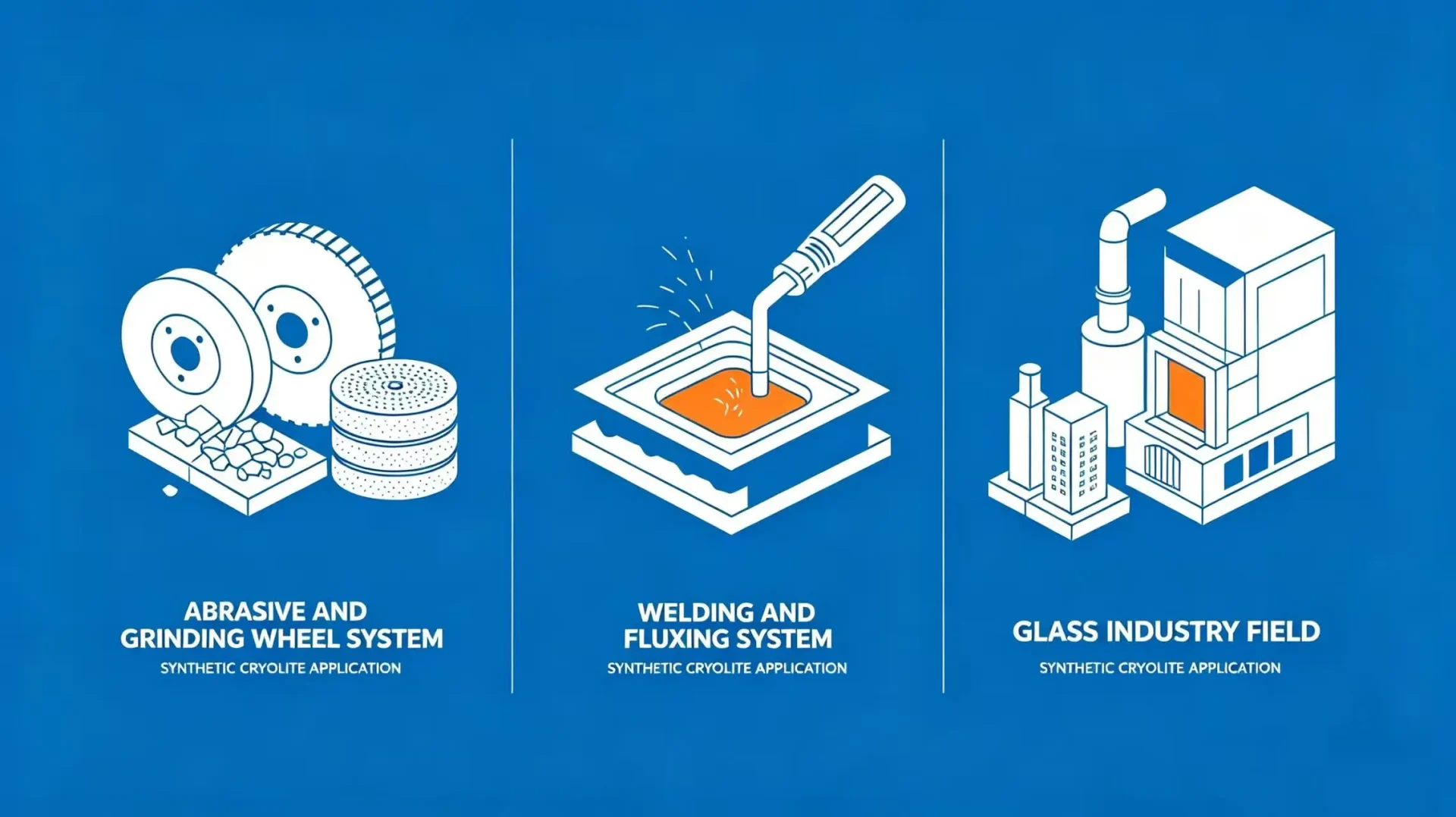
Abrasives and Grinding Wheel Systems
Synthetic cryolite can be used in certain abrasive and grinding wheel systems as a formulation component or functional filler. Its actual performance depends on particle size control, formulation design, and end-use process conditions.
Welding and Flux Systems
Synthetic cryolite can also be used in certain welding materials and flux formulations. In these applications, it functions as one component within fluorine-containing systems that support specific process requirements. Final performance should still be evaluated in the context of the full formulation and application.
Glass, Enamel, and Other Related Fields
In addition to aluminum electrolysis, abrasives, and flux systems, synthetic cryolite is also used in glass, enamel, and related industrial fields. These applications further reflect its value across fluorine-based material systems.
What Industrial Buyers Usually Focus On When Selecting Synthetic Cryolite
Whether the Specification Matches the Process
For industrial buyers, the main selection priority is not only the material name, but whether the specification truly fits the application. In practice, the following points usually need to be confirmed:
- Whether the molar ratio meets process requirements
- Whether the particle size range matches feeding or mixing methods
- Whether impurity control meets end-use requirements
- Whether batch consistency supports continuous production
Whether Supply Stability Is Reliable
For continuous production operations, material parameters matter, but long-term supply stability matters as well. Especially in large-scale industrial scenarios such as aluminum electrolysis, supply consistency can directly affect purchasing decisions and production planning.
Conclusion
Synthetic Cryolite Is a Key Process Material, Not a Commodity Raw Material
Synthetic cryolite holds a fundamental position in modern aluminum electrolysis and is also widely used in abrasives, fluxes, and related industrial systems. For industrial customers, the real value lies not only in knowing where it can be used, but in understanding its role in different processes and selecting a specification that better fits actual production needs.
CTA
Contact Us for Synthetic Cryolite Selection Support
If you need to evaluate a synthetic cryolite specification for your process, contact us to discuss molar ratio, particle size range, and application requirements.
FAQ
What is the difference between synthetic cryolite and natural cryolite?
Synthetic cryolite is more commonly used in industrial applications. Compared with naturally sourced material, it is generally better suited for specification control, batch consistency, and stable industrial supply.
What is the most important role of synthetic cryolite in aluminum electrolysis?
Its core role is to provide a molten salt environment suitable for alumina dissolution and ionic conduction, supporting stable aluminum electrolysis under industrial operating conditions.
Which indicators should buyers focus on when purchasing synthetic cryolite?
Key points usually include molar ratio, particle size range, impurity control, batch consistency, and supply stability.
What industries can use synthetic cryolite beyond aluminum electrolysis?
In addition to aluminum electrolysis, synthetic cryolite can also be used in certain abrasive, grinding wheel, flux, glass, and enamel systems.