Fluorspar uses in steel making aren’t one-size-fits-all. The same metallurgical-grade pig iron, while it can be fed into a blast furnace without issue, may clog the converter’s feeding system or disintegrate into dust and vanish before it even reaches the slag in an electric arc furnace (EAF). Furnace type, not just CaF₂ content, decides which physical form actually belongs in your operation. This guide breaks down how the flux function works, then maps lump, ball, and powder to the furnace where each one fits.
Why Fluorspar Is Used in Steel Making: Quick Answer
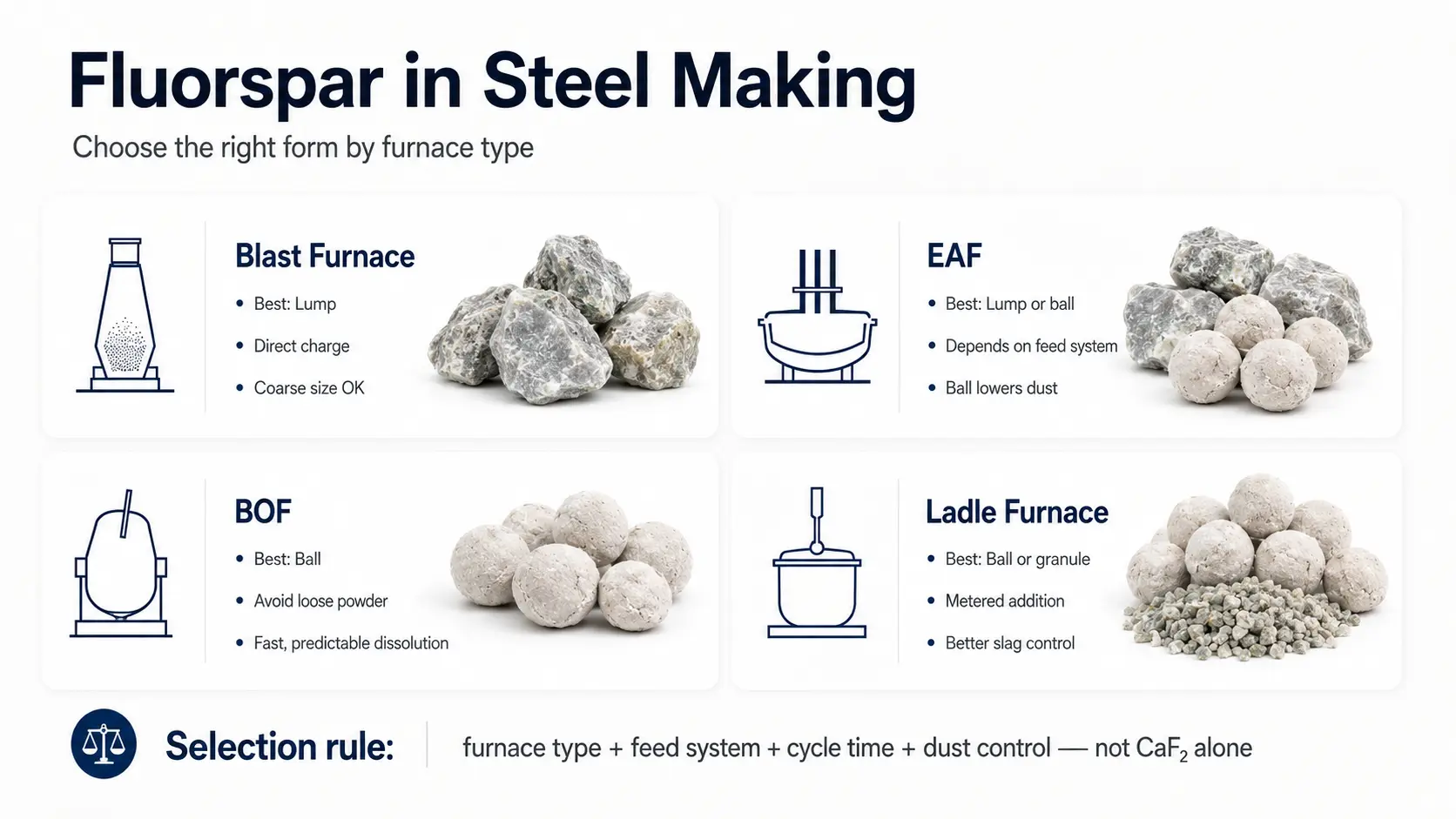
Fluorspar (CaF₂) is added to steelmaking slag to lower its melting point, accelerate slag formation, and improve fluidity. Better slag fluidity increases the slag-to-metal contact area, which supports more efficient desulfurization and dephosphorization. It is not an ingredient every heat requires. Usage is conditional on furnace type, scrap or iron source, and target steel grade.
| Furnace Type | Typical Form Used | Core Reason |
|---|---|---|
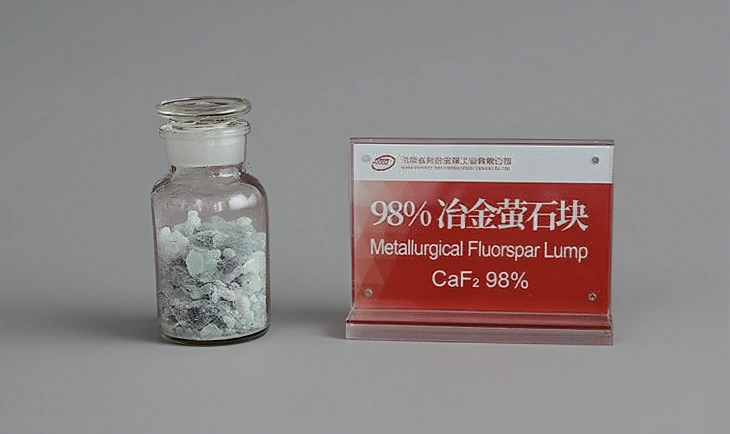
| Blast furnace / traditional smelting furnace | Lump | Direct charge, no automated feed constraint |
| Electric Arc Furnace (EAF) | Lump or ball | Depends on feed system and dust control |
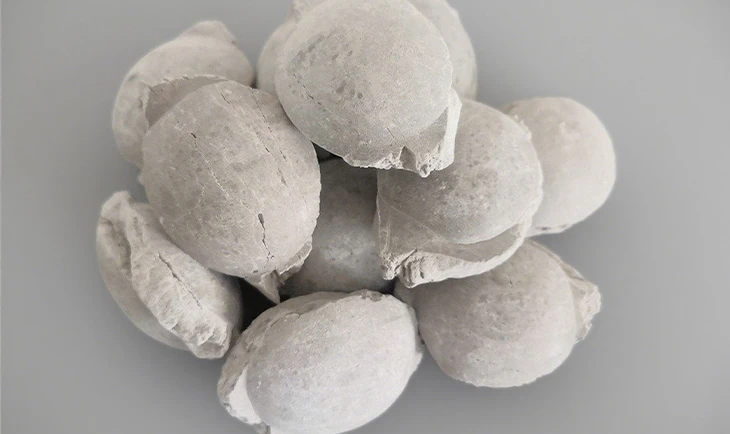
| Basic Oxygen Furnace (converter) | Ball | Fast, controlled slag formation within a short cycle |
| Ladle/refining furnace | Ball or fine granulated material | Metered addition for slag conditioning |
Fluorspar in Steel Making: How the Flux Function Actually Works
Lowering Slag Melting Point and Building Fluidity
CaF₂ disrupts the network structure of lime-based slag, which lowers its liquidus temperature and lets it flow more freely at operating temperature. In general process metallurgy, a more fluid slag renews its contact surface with the molten bath faster, which speeds up the reactions that depend on that interface. ScienceDirect’s technical overview of electric arc furnace operations confirms fluorspar’s specific role in increasing slag fluidity during the EAF process — the mechanical basis for nearly every use of fluorspar as flux across furnace types.
Why Better Slag Fluidity Improves Desulfurization and Dephosphorization
A more fluid slag exposes a larger reactive surface to the molten bath, speeding the transfer of sulfur and phosphorus out of the steel and into the slag layer. This matters most where the iron source carries higher gangue content. Research on EAF operations using direct reduced iron (DRI) has shown that the added gangue oxides increase slag volume and reduce refining efficiency, with fluorspar added specifically to offset that effect and hold phosphorus removal at an acceptable level.
Fluorspar Flux Gets Added When the Heat Needs It
The use of fluorspar in steel making functions as a corrective tool rather than a default ingredient. Technical references on EAF practice describe fluorspar as something “sometimes added” to fluidize the slag, applied when scrap quality, silica carryover, or slag volume make it necessary. It is rarely a fixed-dosage additive on every heat. Buyers planning fluorspar flux consumption against tonnage should budget for that variability rather than a flat rate per heat.
Use of Fluorspar in Steel Making by Furnace Type
Blast Furnace and Traditional Smelting Furnaces: Direct Lump Charging
In blast furnaces and older-type smelting furnaces, crushed lump fluorspar can be charged directly without further processing. These furnace systems tolerate coarser material, run on longer reaction timescales, and typically lack the fine-dosing feed systems that modern converters use. Lump form matches that operating reality without adding unnecessary processing cost.
How the Use of Fluorspar in EAF Splits Between Lump and Ball
The use of fluorspar in EAF is less standardized than in a converter. Some operations charge lump material through the same opening used for scrap, which works where dust extraction capacity is adequate and additional timing is less time-critical. Automated or high-throughput shops, along with those running DRI-heavy charges that increase slag volume, more often favor ball or briquetted fluorspar for consistent dosing and lower dust loss through the baghouse system. The right form depends on your furnace’s charging method and fume-handling setup more than on any fixed industry rule.
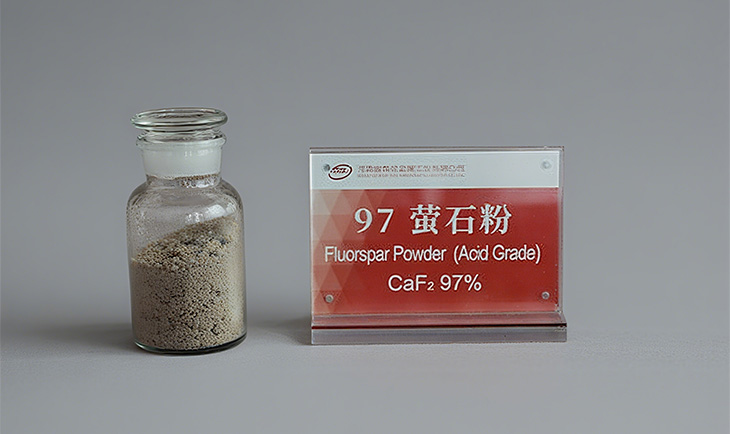
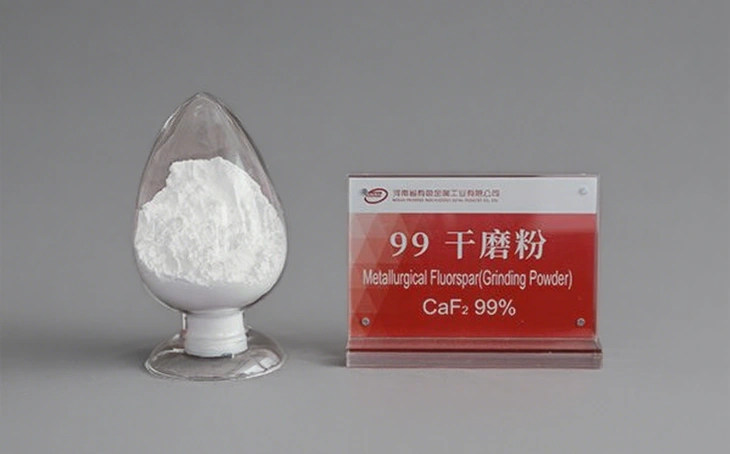
Basic Oxygen Furnace / Converter: Why Loose Powder Doesn’t Work
A BOF heat runs on a tight cycle, with the oxygen blow itself typically lasting well under the full tap-to-tap time. There is little margin for slow-dissolving material to do its job. Loose fluorspar powder charged into a converter disperses unevenly, generates significant dust losses, and increases fluoride volatilization before it can act on the slag. Fluorspar balls solve this with a consistent, dense form that drops into the slag layer and dissolves at a predictable rate within the available cycle time.
Ladle and Refining Furnaces Run on Metered Additions
Secondary refining at the ladle furnace calls for metered, controlled additions rather than bulk charging. Ball or fine granulated fluorspar fits this requirement, letting operators adjust slag chemistry incrementally during treatment. Some plants pre-blend fluorspar into synthetic flux formulations for this stage instead of adding it as a standalone material.
Matching Particle Size and Form to Your Furnace: A Selection Framework
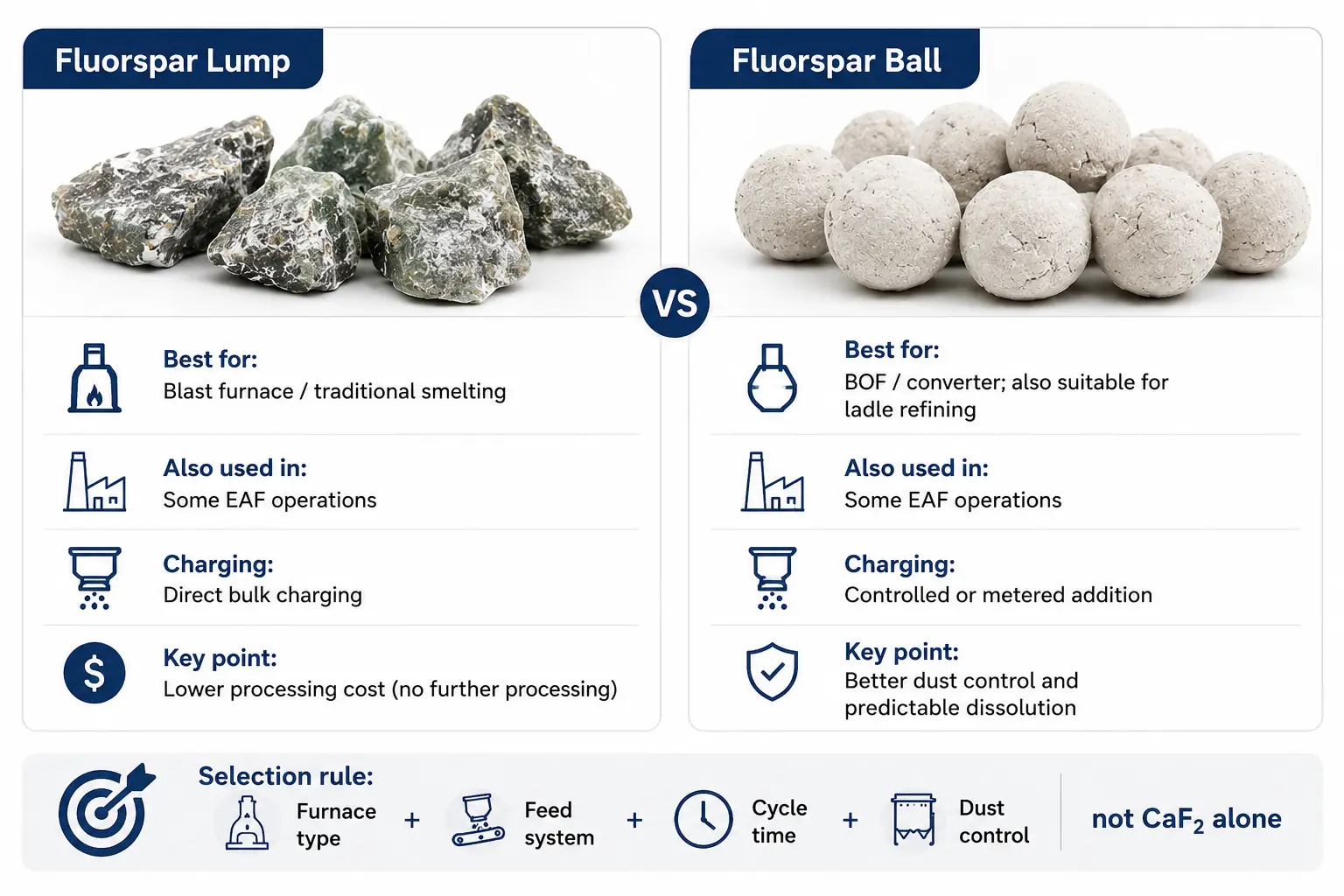
Four factors determine which fluorspar form actually fits your operation:
- Cycle time — shorter refining cycles (BOF, ladle treatment) need fast, predictable dissolution, which favors ball form over lump or powder
- Feed system — automated, metered feed systems are generally incompatible with loose powder and are often built around ball or granulated material
- Dust and fluoride control — tighter baghouse and emissions requirements push toward ball or briquetted form to limit fine material loss
- Batch consistency needs — tight slag chemistry control benefits from the dosing precision that uniform ball size provides over variable lump sizing
Before finalizing the form factor, confirm your furnace’s actual dust and fluoride emission limits with your environmental or operations team. These limits are tightening at many plants and increasingly drive the lump-versus-ball decision more than cost alone.
What Buyers Should Know Before Specifying Fluorspar as Flux
CaF₂ Content Still Matters, But Furnace Compatibility Comes First
A metallurgical-grade product with strong CaF₂ content delivers no value if it cannot be charged through your existing feed system. Confirm form factor and particle size compatibility with your furnace before finalizing on composition alone. Our companion guide on fluorspar composition and grade selection covers how CaF₂ content and impurity profile define each commercial grade once form factor is settled.
The Environmental and Refractory Considerations Behind Reduced Fluorspar Use
Fluorspar’s relationship with refractory linings is not entirely friction-free. Academic review of ladle slag recycling notes that fluorspar can have a corrosive effect on ladle refractory and carries environmental drawbacks related to fluoride content, which has driven interest in alternative slag conditioners such as calcium aluminate synthetic slag and recycled Al-killed ladle slag in some operations. None of this is a reason to avoid fluorspar flux; it remains one of the most effective and widely used options. It does mean dosing discipline and product quality matter more, not less, under tightening fluoride emission limits.
Furnace Type Should Drive the Form Decision
Fluorspar uses in steel making span four distinct furnace environments, each with its own tolerance for particle size, dust, and cycle time. A buyer who matches lump to blast furnace and traditional smelting operations, ball to converter and ladle refining, and a deliberate lump-or-ball choice for EAF based on feed system and dust control will get far more consistent slag performance than one who simply orders “metallurgical-grade fluorspar” and assumes any form will do.
Frequently Asked Questions
Should every EAF heat include fluorspar flux?
No. The use of fluorspar in EAF is typically applied when needed, not added as a fixed-dosage ingredient on every heat. Plants generally use it when scrap quality, silica carryover, or higher slag volume — such as with DRI-heavy charges — make additional fluidization necessary for adequate desulfurization and dephosphorization. Treat dosing as a variable rather than budgeting a flat rate per tonne.
What’s the practical difference between using fluorspar in EAF and in a basic oxygen furnace?
EAF operations have more flexibility in form factor. Some plants charge lump material, others prefer ball or briquetted fluorspar, depending on feed automation and dust control. A BOF heat runs on a much tighter cycle and depends on fast, predictable dissolution, which makes ball form close to mandatory — loose powder or oversized lump material cannot dissolve quickly enough or charge cleanly within the available refining time.
Why can’t loose fluorspar powder be charged directly into a converter or EAF, even at a lower price?
Powder is sometimes quoted at a lower price per tonne than balled product, which can make direct charging look like an easy way to cut costs. In practice, the dust and fluoride losses typical of BOF or EAF operation tend to erode that price advantage, and uneven dissolution makes slag chemistry harder to hold steady from heat to heat. This is the practical reason the industry standardized on ball or briquette form for these furnace types rather than charging powder as received.
What should I confirm before switching to a different fluorspar form or source?
Beyond standard CaF₂ and impurity data, confirm ball diameter and compressive strength (or lump sizing, if applicable), binder type if switching to ball form, and whether shipments will maintain consistent particle size batch to batch. A product that performs well in one furnace’s feed system can behave very differently in another if sizing or hardness specifications are not explicitly matched to your equipment.
Henan Non-Ferrous Metals Industry Co., Ltd. is an authorized trading subsidiary of Duofluoride Chemicals Co., Ltd. (Shenzhen Stock Exchange: 002407), a globally recognized fluorochemical manufacturer. We supply metallurgical-grade fluorspar lump, fluorspar balls, and fluorspar powder matched to blast furnace, EAF, BOF, and ladle furnace requirements for steel producers worldwide. For form-specific specification sheets, samples, or supply inquiries, contact us at: [email protected]