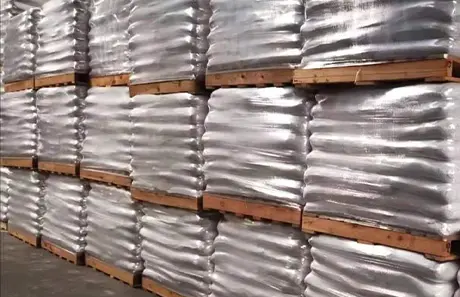

Recent changes in the Middle East situation have led to more cautious market expectations regarding regional aluminium smelter operating rates and raw material demand. As a result, the alumina market has seen short-term fluctuations. Some cargoes that were expected to flow to the Middle East are being redirected into the spot market, increasing near-term supply and putting pressure on overseas quotations.
For downstream buyers, the key issue is not only price volatility itself, but whether supply schedules remain stable, purchasing windows change, and follow-up costs move higher.
Weaker Demand Expectations Are Increasing Spot Supply
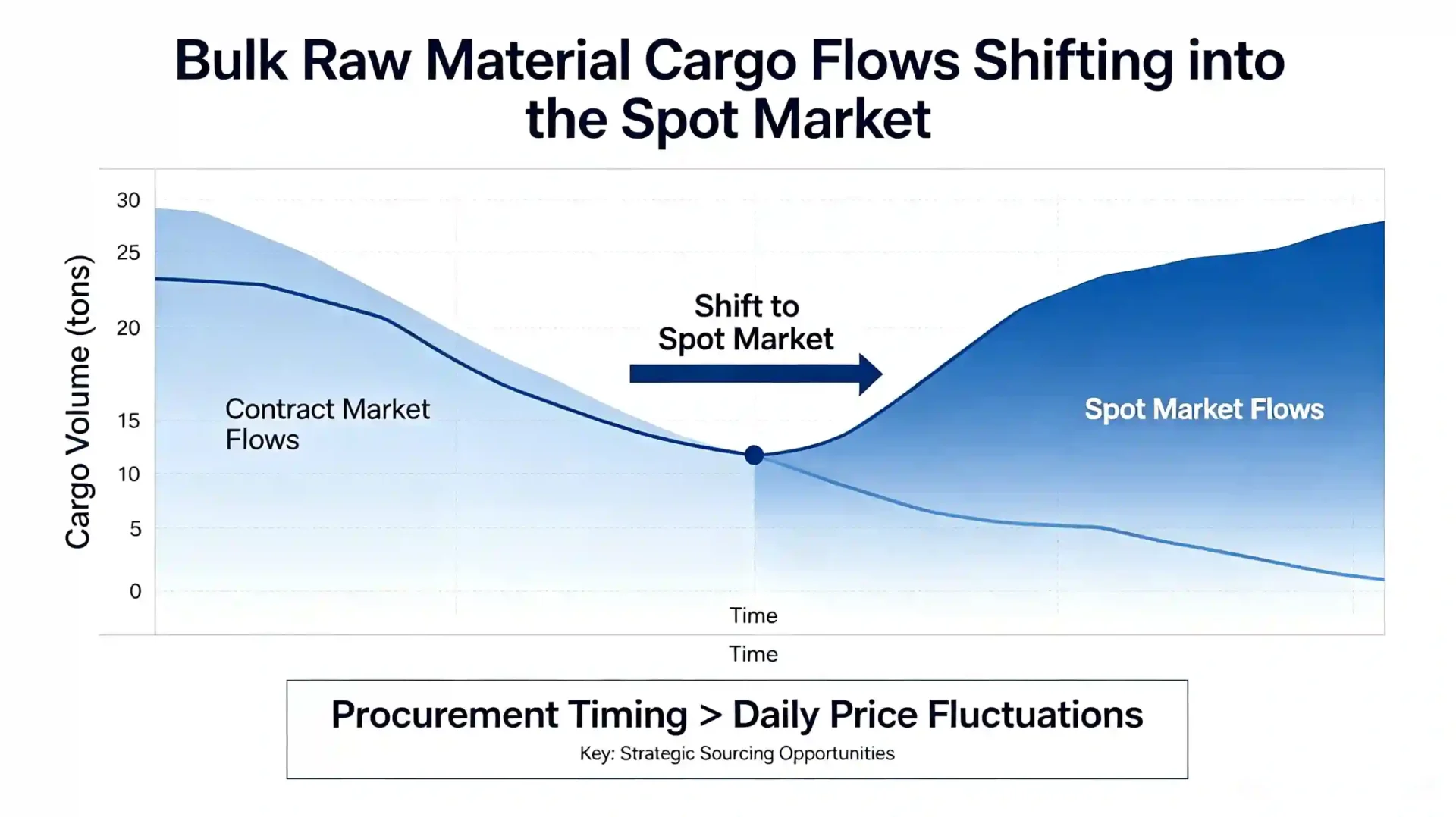
Affected by regional uncertainty, market expectations for alumina demand in the Middle East have softened. As some export cargoes returned to the spot market, short-term trading activity improved and visible supply increased.
For Buyers, Procurement Timing Matters More Than Daily Price Moves
Under these conditions, buyers should pay more attention to procurement timing and delivery arrangements than to short-term price changes alone. If the regional situation continues to affect trade flows, quotations, shipping schedules, and transaction patterns in some markets may also adjust.
The Domestic Market Has Support, but Oversupply Pressure Remains
China’s domestic alumina market has remained relatively stable recently due to maintenance and localized supply disruptions. However, from a medium-term perspective, additional capacity is still in the pipeline, and the broader oversupply pressure has not fully disappeared.
Short-Term Stabilization Does Not Imply a Full Reversal
This means that even if prices recover temporarily, the sustainability of that rebound will still depend on future supply releases and actual demand conditions. For purchasing companies, it is more practical to maintain close market monitoring and arrange inventory and procurement in a flexible way.
Rising Costs Are Supporting the Market Floor
Recent increases in oil prices and caustic soda costs have provided some support to alumina prices. Although cost pressure may not immediately change the overall market structure, it can influence how much room prices have to fall.
Buyers Should Focus on Total Procurement Costs
For end users and trading companies, market judgment should not rely only on alumina quotations. Energy costs, freight conditions, and related raw material fluctuations should also be considered because they directly affect total procurement costs.
Conclusion
Overall, the Middle East situation is influencing the alumina market through changing demand expectations and cargo flow adjustments. In the short term, the market is likely to remain sensitive to supply reallocation, cost support, and procurement timing.
For buyers, the priority is not chasing short-term market moves but paying attention to supply stability, delivery security, and purchasing timing, so they can respond more steadily to current market changes.